

W.ELL Fabric’s Story
W.ELL Fabric is an eco-fabric brand belonging to Bao Lan Textiles Co., Ltd. We are one of the pioneering sustainable textile wholesalers in Vietnam.
Established in 2019 in Ho Chi Minh City, the mission of W.ELL Fabric is to promote the development of sustainable fashion by making eco-fabrics appealing, intriguing, accessible, and affordable. We believe that a good fabric should be beneficial to users: health-protective, and environmentally friendly. Our strength lies in eco-fabric research, development, and production in Vietnam. We closely collaborate with institutes & universities to develop new materials that can have more useful properties to the users, society, and the environment.
W.ELL Fabric offers a wide range of fabrics made from either biodegradable or recycled materials: Organic cotton, Bamboo, Tencel, Recycled poly, Recycled cotton, Recycled coffee… We also provide fabric finishes & treatments to enhance its looks and qualities like UV resistance, Antiviral… Hence, fashion designers & home designers can have so much creative freedom to make their unique collections while still ensuring practicality and sustainability.
Introduction
We believe that sustainable living is the future for mankind, and sustainable textile is one of the keys to this promising future. Proud to be one of the very first Vietnamese Eco textiles companies, we aim to become a leading company in this journey, making sustainable materials easier to access at an affordable price.
Our Vision
Becoming the most reliable and pioneering company in providing eco-friendly solutions and products to accelerate sustainable growth in Vietnam’s textile and garment industry.
Our Mission
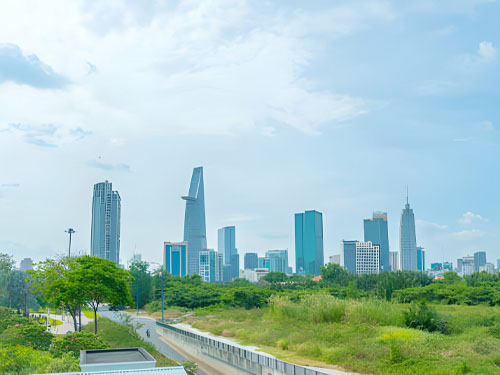
W.ELL Fabric aims to make high-quality eco textiles as common and desirable as conventional ones.
Our Philosophy
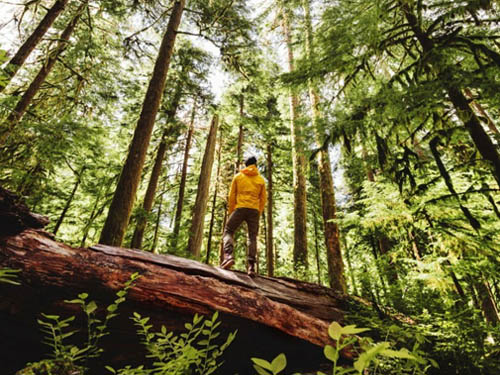
Our philosophy is to operate our business sustainably along with bringing mutual benefit to all stakeholders. W.ELL Fabric’s prosperity would always go together with customers’ value and satisfaction as well as being beneficial to the environment and society.
Bao Lan’s Story
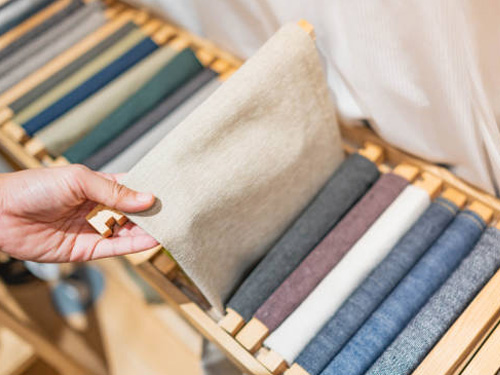
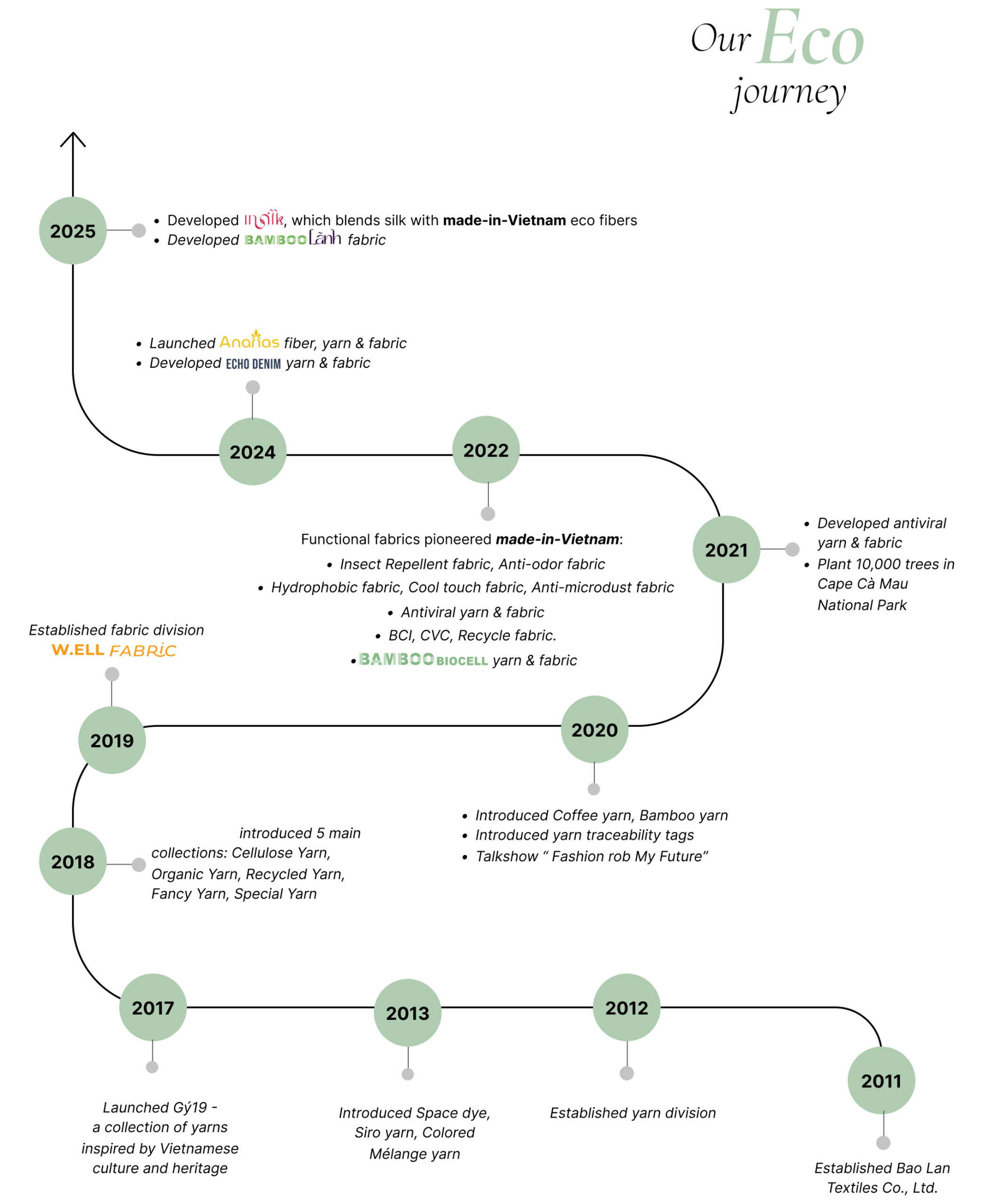
Bao Lan Textiles’ story began in 2011 by founder Dave Quach, who has always valued the harmony between nature and humans.
Inspired by a deep belief in a sustainable business philosophy shaped over a decade of living and working in New Zealand, he and his wife, Baoni Xu, established the company with a vision to create social value, care for users’ well-being, and respect the natural ecosystem. The name “Bảo Lân” itself is a combination of both names: “BẢO” from Baoni Xu and “LÂN” from Dave Quách’s common name, Kiến Lân.
In the beginning, Bao Lan struggled to keep focusing on sustainable textiles due to the market’s low demand and high production costs.
In 2012, Bao Lan reorganized and started Greenyarn, which focused on developing, sourcing, and distributing eco-friendly yarns in bulk to Vietnam factories. Our main products were Mélange and Recycle poly yarn.
In 2014, we introduced new yarns with different spinning techniques, being the first Vietnamese company to bring Space dye, Siro, Colored Mélange yarn,…to the Vietnamese market. After introducing “Gý19” – a collection of 19 pre-made Colored Mélange yarns with reasonable prices, Greenyarn restructured one more time in 2018 and implemented the five yarn collections: Organic, Cellulose, Recycle, Fancy, and Special.
The success of 5 yarn collections gave Bao Lan Textile access to the eco fabric market for the establishment of W.ELL Fabric in 2019.
W.ELL Fabric – an eco fabric brand that was launched to make sustainable fabric available and feasible for everyone, such as: Coffee fabric, Bamboo Biocell fabric with UV protected property of UPF 50+, Insect Repellent fabric, Anti-odor fabric, Hydrophobic fabric, Cool touch fabric, Antimicrodust fabric, BCI CVC Recycle fabric…
After the global impact of the COVID-19 pandemic, for the first time in Vietnam, Bao Lan Textiles successfully produced Bamboo Biocell, the antiviral fabric V-Blok. This motivates us to continue developing made-in-Vietnam eco materials, such as: Ananas extracted from pineapple leaves; Banana yarn & fabric; Echo Denim. In particular, the Insilk project that inherits the essence of traditional Vietnamese silk, such as Bamboo Lãnh, Bamboo Silk, Ananas Silk, Cotton Silk, Wool Silk, and more.
These proud achievements come from combining the responsible R&Ds with the practical experience and core values that have built Bao Lan Textile’s reputation.
Start with the “romantic and deeply meaningful” concept by founder Dave Quách, Bao Lan Textile has embarked on 15-years journey defined by responsibility and credibility in green textiles, reaching beyond Vietnam. More than a milestone of pride, the journey reflects our commitment to true eco quality, along with the future of sustainable textiles from it as a “direction” to an “inevitability.”
Under our CEO & founder, Dave Quách, who has single-handedly led the company since day one, Bao Lan Textiles Co., Ltd. operates three brands in parallel: GREENYARN, W.ELL Fabric, and RE.SOCKS.
>>> See more Quách Kiến Lân on Vietnam News.
CEO
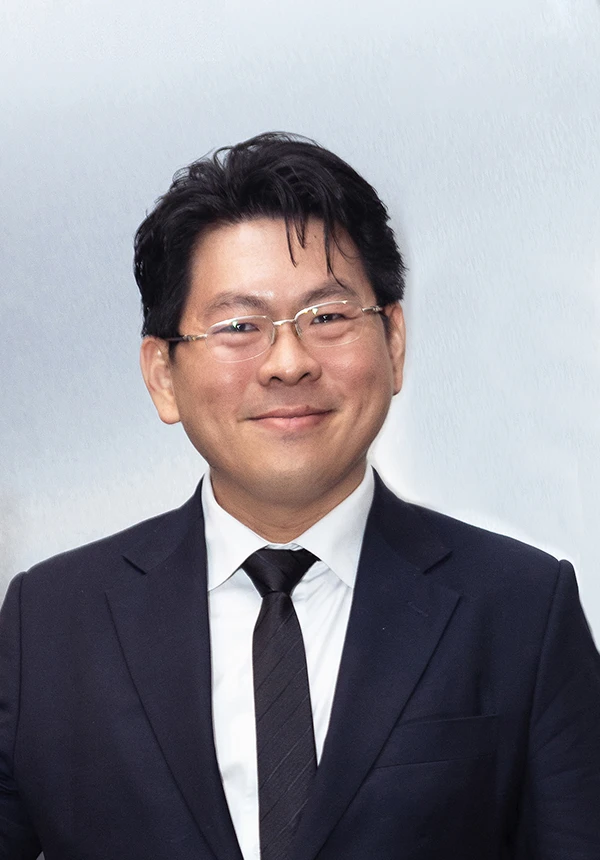
Quach Kien Lan
founded Bao Lan Textile with a pioneering vision for an environmentally friendly fabric supplier in Vietnam
Dave Quach founded Bao Lan Textile in 2011 with a pioneering vision for an environmentally friendly fabric supplier in Vietnam, that seamlessly merged creativity with technology while balancing growth, social responsibility, and respecting the natural ecosystem.
His sustainability philosophy was nurtured in more than 10 years of living and working in New Zealand, where he also learned to embrace innovative thinking while studying Macroeconomics at Massey University.
Upbringing from a family of fabric trading family, his understanding of the product, as well as the market, is extensive from his rich experiences of more than a decade of development of the family business.
In 2009 – 2010, after popularising digital printed fabrics in Vietnam, he contributed to forming a market for official Korean imported fabric. Before that, he also participated in expanding the market and supply of high-quality man fabric.
Dave Quach developed Bao Lan Textile with the thinking of “More Solutions Than Problems” which is also a key to driving the business through the challenges posed by the lack of eco-material resources, high production costs, and an underdeveloped eco-friendly consumption culture in Vietnam.
Tackling challenges & issues with the optimal solutions and a thorough understanding of manufacturing, Dave & team built Bao Lan Textile, Green Yarn, and Well Fabric as well-known pioneer brands in research, development, and expansion of the eco market which makes purchasing recyclable, organic easier with diverse selection.
In 2022, he led the team to successfully pioneer the development and introduce Bamboo Biocell – the first made-in-Vietnam bamboo yarn & fabric. Following that, in 2024, Bao Lan Textiles impressed the textile market by launching Ananas – the first pineapple leaf fiber, yarn, and fabric to be mass-produced in Vietnam for mass distribution to fashion brands and textile manufacturers. Besides, Dave initiated INSILK, which blends Vietnamese silk with diverse Vietnamese eco fibers.
These help green textiles have more sources of eco-materials with flexible quantities and stable costs, even in the face of disruptions from global economic and political challenges.
>>> See more Quách Kiến Lân on Vietnam News.

Fashion Do Good has been found to make fashion brands’ CSR activities easier and more transparent by directly allocating funds to NPO/NGO collaborating with FOG/ FOG collaborated NPO/NGO. Therefore, a call to action for the promising future will come true by ourselves.
Besides, FOG accompanies garment businesses, fashion brands , consumers and NPOs/NGOs to create a fashion community that does good, join hands to support society, and a more beautiful natural environment.


Our Partners


Certificates


5 CONSCIOUSNESSES

Conscious Consumption
There are plenty of options for eco-friendly fabrics, with samples readily available to try out.

Conscious Disposal
Careful disposal is vital for the environment, as there are many harmful materials that not only damage the ecosystem but also harm our lives.

Conscious Sourcing
Understanding verify and choosing only sustainable materials for production can save a lot of environmental issues. Whereas the cost to the environment outweighs any cost because it is directly affecting our future.

Conscious Production
Produce with responsibility and knowledge. Please understand that our product comes with a cost to the environment. Try hard and fight hard to cut down this cost and aim for a fully environmentally friendly manufacturer.

Conscious Innovation
Invent with a cause, because making a better product is no longer enough. The innovator needs to consider the environmental cause of their invention as well.


