
Bamboo
Why Bamboo Fabric is Transforming Sustainable Fashion for B2B Businesses

As sustainability becomes a key focus in the fashion industry, businesses are seeking innovative solutions to reduce their environmental impact. One of the most promising alternatives is bamboo fabric—a renewable, biodegradable material that aligns with the increasing demand for sustainable textiles.
Unlike conventional cotton or synthetic fibers, bamboo fabric offers a lower ecological footprint while delivering superior performance in durability, comfort, and functionality. This makes it an attractive option for B2B businesses in apparel manufacturing, retail, and textile sourcing.
1. Benefits of Bamboo Fabric: The Future of Sustainable Fashion
1.1. Eco-Friendly Production Process
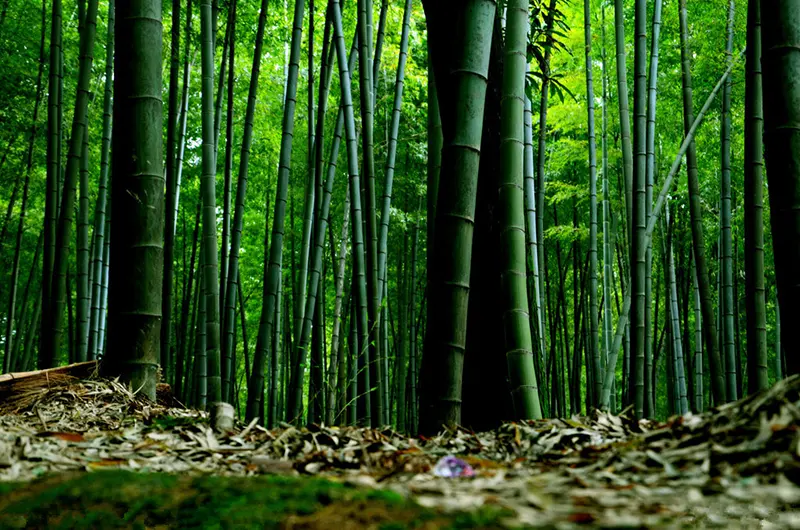
Bamboo is one of the fastest-growing plants in the world, requiring minimal water, no pesticides, and absorbing five times more CO2 than trees. The production of bamboo textiles—especially when processed through closed-loop systems like Tencel Bamboo—ensures reduced chemical waste and lower energy consumption compared to conventional fabrics.
1.2. Superior Comfort & Performance
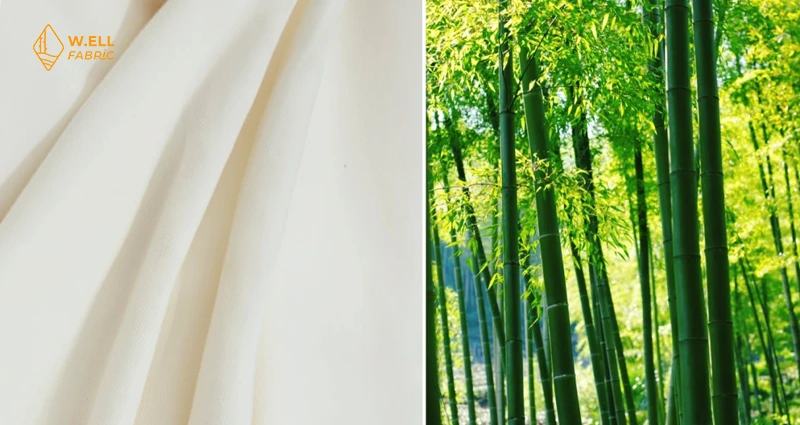
Bamboo fabric is known for its ultra-soft texture, often compared to silk or cashmere. It is also highly breathable and moisture-wicking, making it ideal for sportswear, casualwear, and luxury apparel. These properties enhance user comfort while reducing the reliance on synthetic performance fabrics.

1.3. Antibacterial & Hypoallergenic Properties
Bamboo fabric naturally contains bamboo kun, an antimicrobial bio-agent that helps resist bacterial growth. This makes it a preferred choice for athleisure, undergarments, and baby clothing, offering added hygiene benefits for end consumers.
1.4. Longevity & Durability
For B2B buyers, fabric lifespan is a crucial factor. Bamboo textiles are known for their resistance to wrinkles, fading, and pilling, ensuring high durability for brands looking to offer long-lasting, sustainable products.
1.5. Biodegradability & Circular Fashion
Unlike polyester-based fabrics that contribute to microplastic pollution, bamboo textiles are biodegradable, breaking down naturally without leaving harmful residues. This feature supports the growing movement towards circular fashion—a key consideration for ethical brands and conscious consumers.
>>> Read more:
- Bamboo Fabric Manufacturers Revolutionize Textile Industry
- Bamboo Fabric Supplier: Finding the Right Partner for Your Business
2. Where Is Bamboo Fabric Used? Which Suppliers Offer the Best Quality?
Bamboo fabric is increasingly being adopted across various textile sectors, from high-end fashion and corporate uniforms to home textiles and activewear. Thanks to its softness, breathability, and eco-friendly nature, bamboo fabric has become a top choice for brands prioritizing sustainability.
Moreover, stricter environmental regulations in the textile industry are pushing businesses to seek sustainable material solutions. With its low-impact production process, hypoallergenic properties, and soft texture, bamboo fabric helps many brands meet green standards within their supply chains.
Why Choose “Made in Vietnam” Bamboo Fabric?
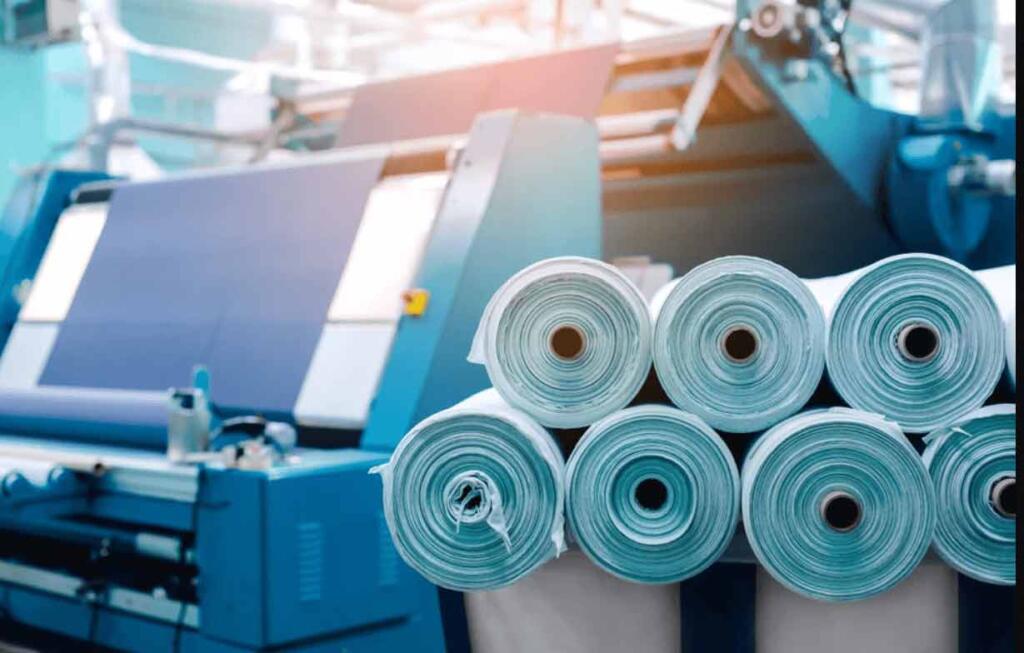
In Vietnam, most bamboo fiber is still imported. However, in recent years, several local manufacturers have invested in bamboo fabric production, aiming to meet international quality standards. “Made in Vietnam” bamboo fabric not only provides a sustainable solution for the domestic market but also holds strong export potential. With key certifications like GOTS, Oeko-Tex Standard 100, and GRS, Vietnamese bamboo fabric ensures traceability, safe production processes, and environmental friendliness.
W.ELL Fabric – Leading the Way in High-Quality, Truly Sustainable Bamboo Fabric
As a pioneer in eco-friendly textiles, W.ELL Fabric proudly offers high-quality, genuinely sustainable bamboo fabric in Vietnam. The company utilizes a closed-loop Lyocell process to extract cellulose from bamboo, allowing solvent reuse and minimizing environmental impact. Additionally, the Sirospun spinning technology enhances fiber durability and uniformity while reducing pilling, ensuring long-lasting fabric quality.
W.ELL Fabric is committed to delivering internationally certified bamboo fabrics through its “Bamboo Biocell” project—designed to maximize natural benefits, high performance, and superior user experience.
>>> Learn More:
- Is Bamboo Fabric Really Good? Common Misconceptions About Bamboo Textiles
- 5 Reasons Why Bamboo Biocell Fabric Is Truly Eco-Friendly, Safe, and Versatile
With its outstanding benefits and low environmental impact, bamboo fabric is more than just a trend—it’s a long-term solution for brands committed to sustainability.
Is your business ready to embrace sustainable fashion?
Contact us today to explore premium bamboo fabric solutions tailored to your brand’s needs!


