
News
What Is Knitted Fabric? 7 Common Types of Knitted Fabrics

Stretch fabrics used in everyday garments such as T-shirts, activewear, and loungewear are often referred to simply as stretch fabric. In the textile industry, however, the correct technical term is knitted fabric.
So, what is knitted fabric? How is it constructed through interlocking loops, and what are the most common types of knitted fabrics used in apparel today?
In this guide, W.ELL Fabric explores the fundamentals of knitted fabric construction, introduces the most widely used knit structures, and shows how we develop premium eco-friendly knitted fabrics that help fashion brands create comfortable, high-quality collections.
1. What Is Knitted Fabric (Stretch Fabric)? Understanding Loop Construction
1.1. Definition
Knitting is a textile manufacturing process in which yarn is formed into a series of interconnected loops. These loops interlock continuously to create a flexible fabric structure.
Thanks to this unique loop construction, knitted fabric offers excellent stretch and flexibility. In Vietnam, it is commonly referred to as stretch fabric or “vải thun” because of its natural elasticity.
Four Key Characteristics of Knitted Fabric
The interconnected loop structure gives knitted fabrics several distinctive advantages:
- Excellent Stretch & Elasticity – Naturally stretches and conforms to the body, even without added Spandex.
- Lightweight & Soft – The looped construction creates a lighter fabric with a comfortable hand feel.
- Highly Breathable – Tiny spaces between the loops promote airflow and help regulate body temperature.
- Wrinkle Resistant – The fabric’s natural elasticity allows it to recover its shape easily, reducing wrinkles during everyday wear.
1.2. Knitted Fabric Structure
The structure of a fabric is the foundation that determines its performance and characteristics. Unlike woven fabric, knitted fabric is constructed by interlocking loops of yarn arranged in horizontal rows (courses) and vertical columns (wales). This looped structure gives knitted fabrics their signature softness, flexibility, and natural stretch.
Depending on how the loops are formed, knitted fabrics are generally classified into two main categories:
Weft Knitting
In weft knitting, the yarn forms continuous loops across the width of the fabric. This construction creates a smooth, uniform surface with excellent stretch and is the most widely used knitting method for T-shirts, casualwear, sportswear, underwear, and many other stretch garments.
Warp Knitting (Including Mesh Structures)
Warp knitting forms loops in the lengthwise direction using multiple yarns simultaneously. Certain warp-knit constructions create engineered mesh openings that enhance airflow and breathability, making them well suited for summer apparel, performance sportswear, lingerie, and technical textiles.
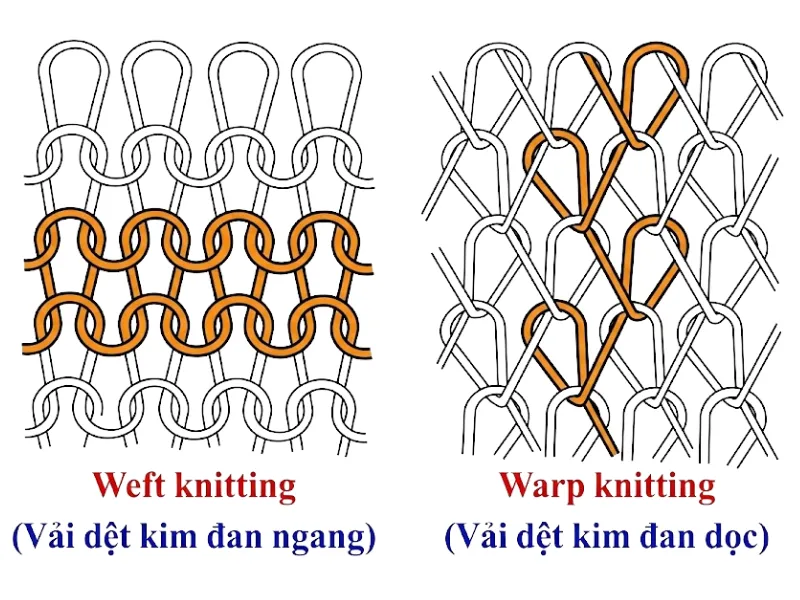
Knitted fabrics can be produced from both natural and man-made fibers, with weights and thicknesses tailored to different applications. While stretch fabrics are often associated with synthetic fibers, advances in knitting technology allow premium natural fibers—including bamboo, cotton, and wool—to achieve excellent elasticity, comfort, and recovery, even with little or no added Spandex.
1.3. Advantages of Knitted Fabric
Knitted fabrics have become a preferred choice across the apparel industry because their looped construction delivers exceptional comfort and versatility.

Excellent Stretch and Flexibility
The interconnected loop structure allows the fabric to stretch naturally in multiple directions, providing greater freedom of movement and a comfortable fit. Depending on the knit construction, many fabrics can achieve impressive elasticity even without a high percentage of Spandex.
Breathability and Moisture Management
Small air spaces between the loops promote continuous airflow while helping moisture evaporate efficiently. This keeps garments cool, dry, and comfortable, making knitted fabrics ideal for activewear, casualwear, and warm climates.
Natural Thermal Regulation
Knitted fabrics are available in a wide range of weights and constructions. Lightweight knits enhance breathability, while heavier knit structures create effective insulation to help retain warmth in cooler conditions.
Easy Care and Wrinkle Resistance
Thanks to their inherent elasticity, knitted fabrics naturally recover their shape after stretching and are generally more wrinkle-resistant than many woven fabrics. They are easy to maintain and help garments retain a neat appearance with minimal ironing.
1.4. Technical Considerations
While knitted fabrics offer exceptional comfort and flexibility, they also have several characteristics that should be considered during manufacturing and garment care.
Dimensional Stability
The flexible loop structure makes knitted fabrics more susceptible to stretching and shrinkage than woven fabrics. Fabrics made from natural fibers, such as cotton, require proper finishing, washing, and garment care to maintain their original shape over time.
Pilling
Depending on the fiber type, yarn quality, and knit construction, some knitted fabrics may develop surface fuzz or pilling after repeated friction. This is a natural characteristic of textile fibers and can affect the appearance of the fabric over extended use.
Garment Manufacturing Requirements
Because knitted fabrics stretch in multiple directions, they require specialized cutting, sewing, and pattern-making techniques. Proper control of fabric shrinkage, tension, and garment dimensions is essential to ensure consistent fit, appearance, and product quality.
2. Common Types of Knitted Fabrics
By varying the way yarn loops are arranged and interconnected, knitted fabrics can achieve a wide range of textures, performance characteristics, and visual effects. Below are the most common knit fabric structures recommended by W.ELL Fabric for different apparel applications.
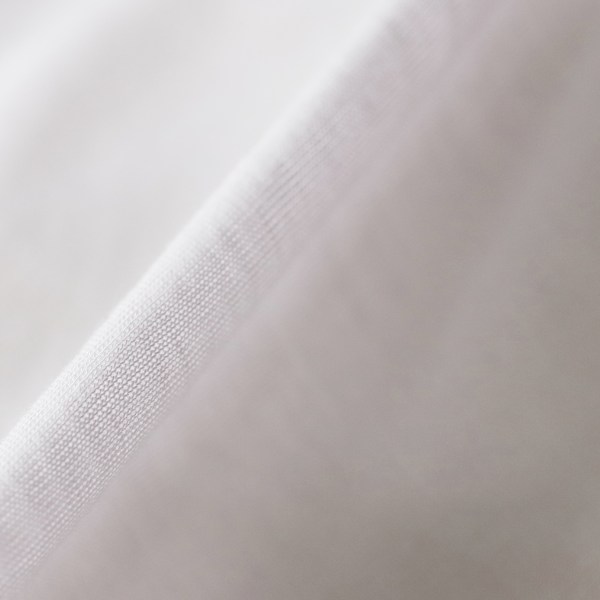
Single Jersey
Single Jersey is the most basic and widely used knit structure. It features a smooth face and a looped back, resulting in a lightweight, soft, and breathable fabric. This construction is commonly used for T-shirts, casualwear, underwear, and everyday basics.
Double Jersey
Double Jersey is knitted using two sets of needles, creating a thicker and more stable fabric with similar or different surfaces on each side. Compared with Single Jersey, it offers improved dimensional stability, better shape retention, and enhanced durability, making it suitable for premium apparel and structured knitwear.
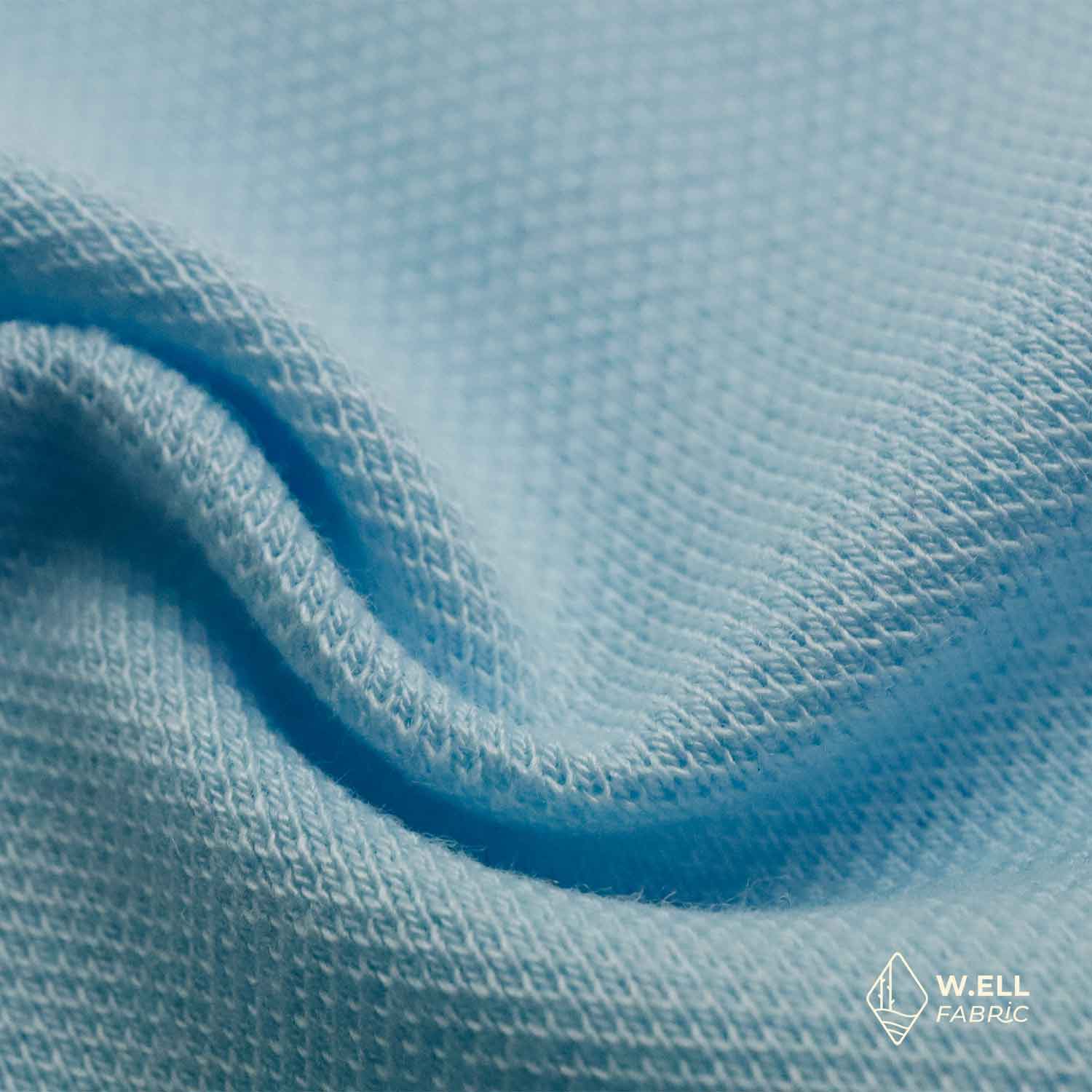
Piqué
Recognized by its textured surface featuring geometric or honeycomb-like patterns, Piqué knit provides enhanced breathability while maintaining a crisp appearance. It is the preferred fabric structure for polo shirts and smart casual apparel.
Rib Knit
Rib Knit features alternating raised and recessed vertical ribs, giving the fabric exceptional crosswise stretch and recovery. It is widely used for neckbands, cuffs, waistbands, as well as fitted garments such as babywear, tank tops, and ribbed T-shirts.

Interlock
Interlock is a double-knit construction that offers a smoother, thicker, and more stable fabric than Single Jersey. Both sides of the fabric have an identical smooth appearance, and the edges resist curling after cutting, making it easier to sew and produce high-quality garments. It is commonly used for premium T-shirts, babywear, innerwear, and loungewear.
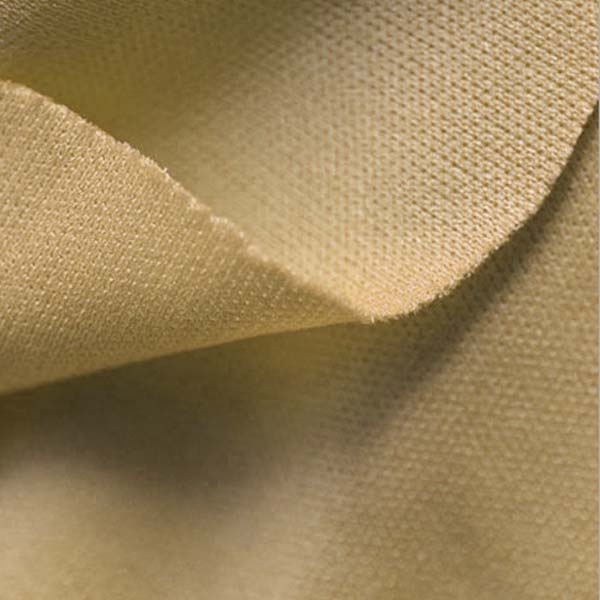
French Terry
French Terry has a smooth outer surface and looped yarns on the reverse side. This structure provides excellent moisture absorption, warmth, and comfort without excessive weight. It is widely used for hoodies, sweatshirts, joggers, and athleisure wear.

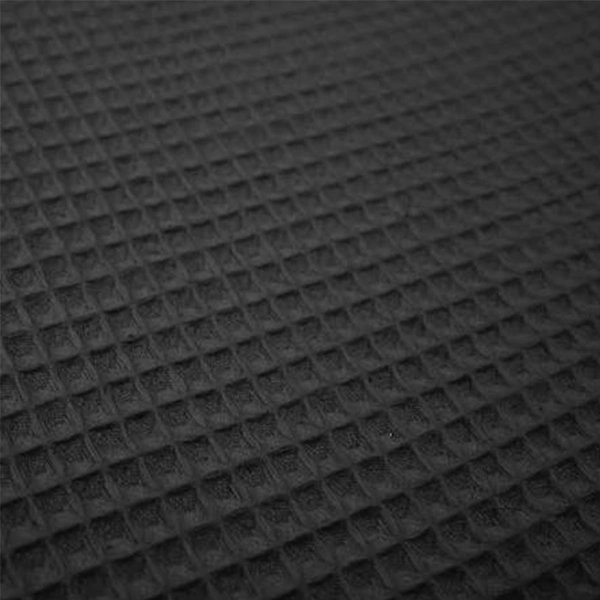
Waffle Knit
Named after its distinctive waffle-like grid texture, Waffle Knit creates air pockets that improve both insulation and breathability. Its unique appearance and comfortable feel make it a popular choice for loungewear, sleepwear, towels, robes, and lightweight knitwear.
3. R&D Insights: Not Every Yarn Is Suitable for Knitting
At W.ELL Fabric, we believe the quality of a knitted fabric begins long before it reaches the knitting machine—it starts with selecting the right yarn. Backed by over 15 years of textile R&D experience, our team carefully evaluates every technical parameter to ensure consistent knitting performance and premium fabric quality.
Optimized Yarn Twist
Yarns for knitted fabrics typically require a 10–20% lower twist than comparable yarns used for woven fabrics. A lower twist creates a softer, bulkier yarn with improved flexibility, moisture absorption, and the comfortable hand feel expected from high-quality knit fabrics.
Clean Yarn for Stable Knitting
Modern knitting machines—especially high-speed circular knitting machines—are highly sensitive to yarn quality. Even small amounts of lint, neps, or impurities can cause needle breakage or fabric defects such as holes and vertical lines. Our quality control process ensures clean, consistent yarn that supports stable knitting and reliable fabric production.
Why We Recommend Compact and Siro Compact Yarn
For premium knitted fabrics, Compact and Siro Compact spinning technologies offer significant advantages over conventional spinning methods. By binding short fibers more tightly into the yarn body, these technologies produce smoother, cleaner, and more uniform yarn.
The result is a fabric with a softer surface, reduced hairiness, improved durability, and greater resistance to pilling—key qualities for T-shirts, babywear, innerwear, loungewear, and other garments designed for long-lasting comfort.
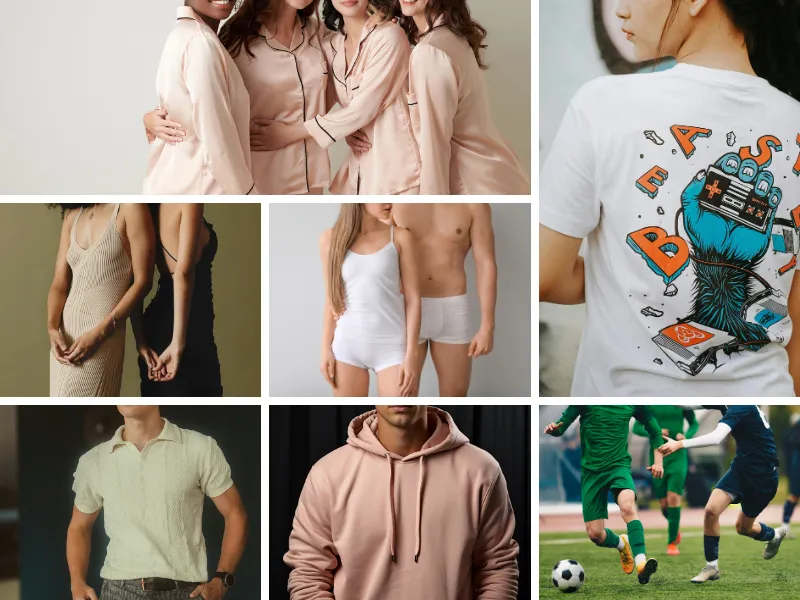
4. Applications of Knitted Fabrics in Fashion
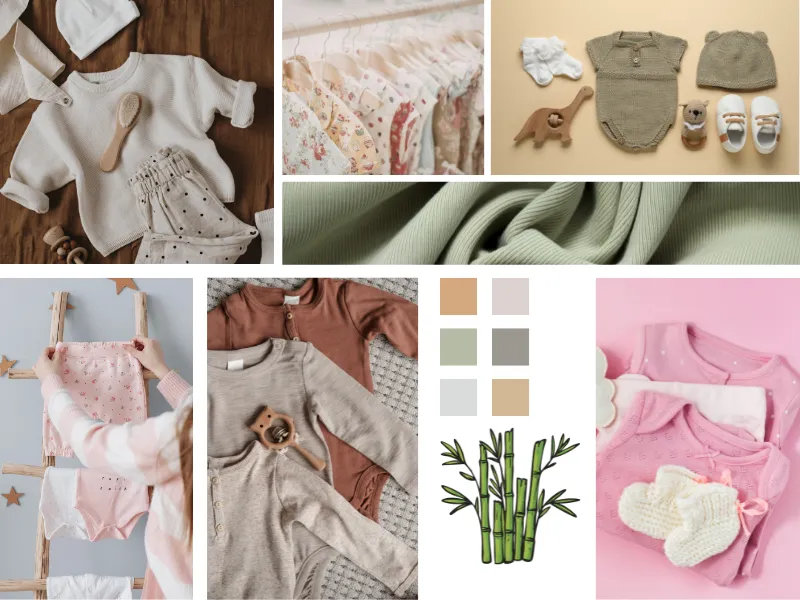
Thanks to their versatility, comfort, and modern aesthetic, knitted fabrics have become one of the most widely used materials in the apparel industry. From everyday essentials such as T-shirts, dresses, underwear, and loungewear to sportswear, babywear, and premium lifestyle collections, knitted fabrics offer the flexibility, softness, and performance that today’s consumers expect.
With a wide variety of knit structures and fiber compositions, brands can develop products that balance comfort, durability, functionality, and design across virtually every apparel category.
5. W.ELL Fabric – Your Trusted Source for Eco-Friendly Knitted Fabrics Made in Vietnam
With over 15 years of experience supporting fashion brands and garment manufacturers in Vietnam and international markets, W.ELL Fabric specializes in developing and supplying premium eco-friendly knitted fabrics. We work closely with a trusted network of spinning, knitting, dyeing, and finishing partners across Vietnam to deliver consistent quality and reliable production.
International Market Advantages
- Made in Vietnam with transparent and traceable material origins.
- Supported by Vietnam’s major free trade agreements, including CPTPP, EVFTA, UKVFTA, and RCEP.
- A wide range of materials complies with internationally recognized standards such as GOTS, GRS, and OEKO-TEX® STANDARD 100 (depending on the product).

Reliable Supply & Flexible Production
- Stable pricing and flexible manufacturing solutions.
- Scalable production for both sampling and commercial orders.
- Reliable lead times supported by an established manufacturing network.
Eco Material Expertise
Our portfolio includes a diverse range of eco-friendly materials, including:
- Bamboo Biocell
- Bamboo Cotton
- Ananas (Pineapple Fiber)
- Recycled Cotton
- Silk…
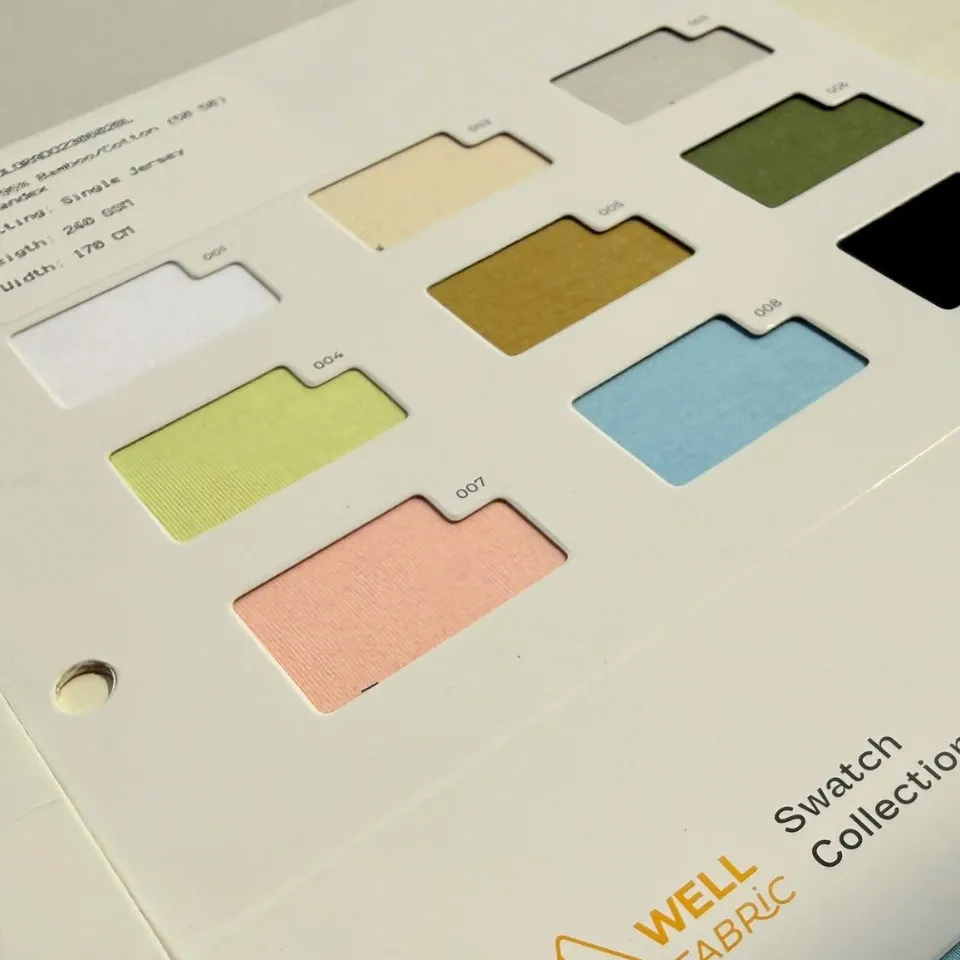
By understanding every stage of knitted fabric development—from yarn selection and knit construction to dyeing and finishing—we help fashion brands create materials that meet both technical requirements and creative design goals.
If you’re looking for a reliable supplier of eco-friendly knitted fabrics made in Vietnam, contact W.ELL Fabric to request our fabric hanger collection and discover the right textile solution for your next collection.
W.ELL Fabric – A Member of Bao Lan Textiles
📞 Hotline (Zalo/WhatsApp): (+84) 857 902 535
✉️ Email: hello@wellfabric.com
>>> Read more: What Is Woven Fabric? 5 Outstanding Types of Woven Materials


