
News
What Is Woven Fabric? 5 Outstanding Types of Woven Materials

What is woven fabric? Explore the characteristics, classification, and applications of woven materials in fashion. Join W.ELL Fabric to discover the highest-quality woven fabric solutions.
1. What is weaving?
Weaving is one of the oldest and most popular methods for creating fabric in the textile industry. It is the process of interlacing two distinct systems of yarn: the warp (running lengthwise) and the weft (running widthwise). These two systems are interwoven at right angles according to a specific pattern (known as the weave) to form the fabric.
In practice, the finished products of this method are highly diverse. In retail stores, sellers often name woven fabrics flexibly based on their material, weave type, or intended use. The most common and familiar names on the market today include: Kate fabric, Khaki, Voile/Chiffon, Denim/Jeans, Poplin/Muslin, Taffeta, Linen, Silk.


The Evolution of Weaving Technology:
A major turning point for the industry took place in the 18th century with the invention of the “flying shuttle” by John Kay, paving the way for mechanization. Moving into the 20th century, weaving technology advanced rapidly with a series of innovations. Developments like the gripper loom from renowned manufacturers such as Sulzer (notably the G8300 model introduced in 1999) and Ruti elevated both the productivity and quality of woven fabrics to new heights.

2. Key characteristics of woven fabrics
- Structural stability: Because the yarns are interwoven at right angles in a tight structure, woven fabrics exhibit excellent dimensional stability, meaning they are less prone to distortion or losing their shape after use.
- High durability: Woven fabrics typically offer high mechanical strength and excellent resistance to wear and tear.
- Limited elasticity: Unless blended with elastomeric fibers (such as Spandex), woven fabrics are naturally less stretchy compared to knitted fabrics.
- Diverse surfaces: Depending on how the warp and weft yarns are interlaced, the fabric surface can be smooth, glossy, or textured with intricate patterns.
3. Common Weaving Techniques
Based on the interlacing patterns of warp and weft yarns, woven fabrics are classified into several fundamental structures:
3.1. Plain Weave
This is the simplest weaving pattern (one-over, one-under). The resulting fabric is durable and sturdy, though typically lower in thread count (e.g., canvas, poplin).
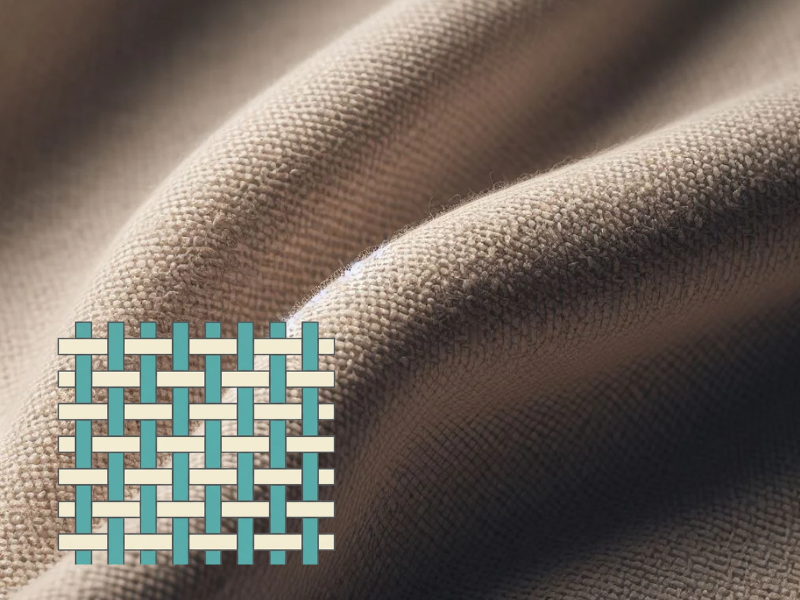
3.2. Twill Weave
In this structure, the weft yarn passes over and under one or more warp yarns, creating a characteristic diagonal line (twill line) on the fabric surface. This type is more durable than plain weave, resists wrinkling better, and offers a softer hand-feel (e.g., denim, khaki).

3.3. Satin Weave
Warp or weft yarns float over a long distance before interlacing, which results in a smooth, lustrous, and luxurious surface (e.g., satin fabric used in high-end apparel).
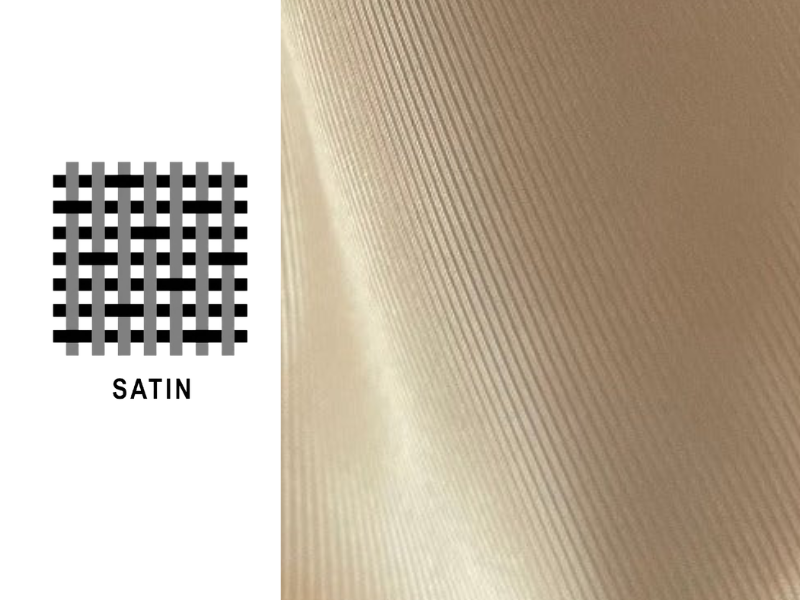

The main difference between Satin and Sateen lies in the raw materials and the weaving technique used: Satin is typically woven from naturally lustrous fibers (such as silk or polyester) using a warp-faced weave to create an exceptionally smooth, high-gloss surface. In contrast, Sateen is woven from cotton yarns using a weft-faced weave, which gives the fabric a soft, polished sheen while maintaining the breathability, durability, and easy-care properties of cotton.
Specialized Woven Structures
Beyond the fundamental weaves, the versatility of woven fabrics is enhanced by specialized structures, which create specific aesthetics and functional properties:
3.4. Pile Weave
This technique creates a raised surface (either upright or laid flat) by incorporating an additional system of yarns (pile yarns) into the base fabric during weaving. Depending on the desired finish, these loops can be left intact or cut to create a smooth, velvety texture. Iconic products such as velvet or velveteen offer a luxurious, soft tactile experience and are frequently favored in high-end fashion and interior upholstery.

3.5. Herringbone Weave
A variation of the twill weave, this structure is defined by its distinct, symmetrical chevron pattern that resembles fish bones. Due to this interlacing method, the fabric is generally thicker and highly durable, particularly when woven with wool. Herringbone is a premier choice for winter coats and suits, valued for its excellent thermal retention and sophisticated, elegant appearance.

4. Applications and Business Potential of Woven Fabrics
Woven fabrics are ubiquitous in daily life, valued for their high mechanical strength and excellent dimensional stability. They serve as a foundational material across various industries:
Fashion Industry:
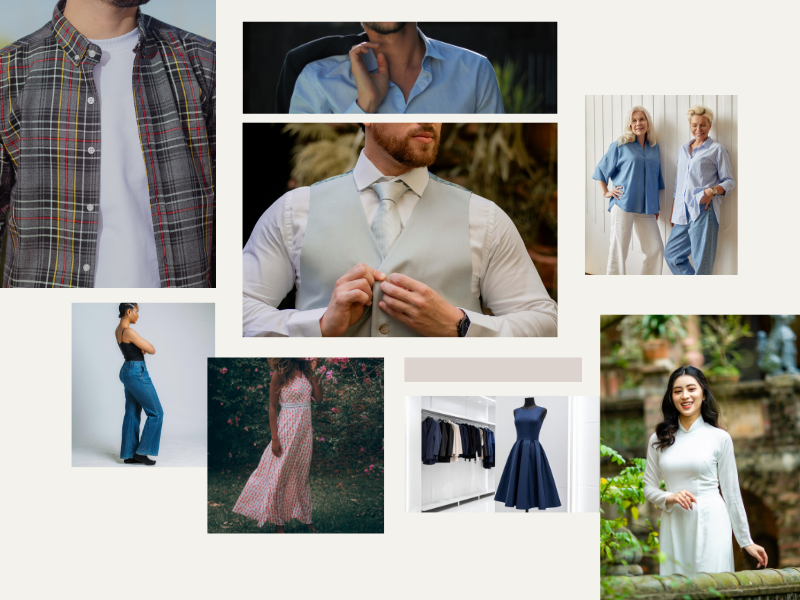
Thanks to their tight, perpendicular interlacing structure, woven fabrics are the preferred choice for garments requiring a crisp, structured silhouette, such as dress shirts, trousers, suits, jackets, and high-end fashion designs.
Home Textiles and Interior Design:
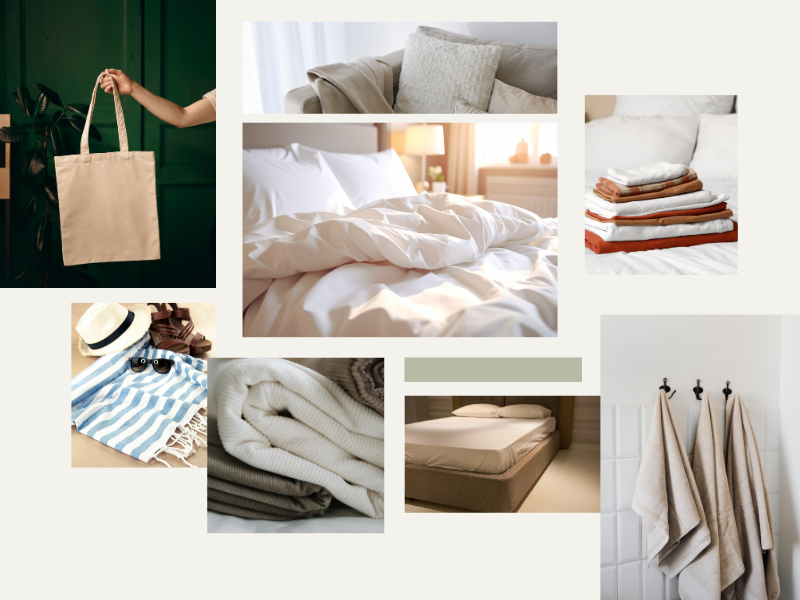
Renowned for their long-lasting durability and aesthetic retention, woven fabrics are widely used in the production of curtains, tablecloths, sofa upholstery, and various decorative interior items.
Industrial Applications:
These fabrics are essential for technical textiles, industrial tarpaulins, and reinforcement materials.
Business Potential and Development Directions
With consumers increasingly prioritizing high-quality products and transparent sourcing, the market for woven fabrics is experiencing significant growth opportunities:
- Investment in Production Technology: Modernizing weaving and finishing processes not only boosts productivity but also enables the creation of specialized surface textures and technical features that meet stringent international export standards.
- Development of Eco-friendly Raw Materials: This is the most high-value growth path. Researching and integrating new natural fibers into woven structures not only meets the rising market demand for safe, sustainable, and eco-conscious products but also serves as a key differentiator to enhance global competitiveness.
By deeply understanding fabric structures—from fiber selection to weaving techniques—W.ELL Fabric optimizes the production process, delivering fabric solutions that precisely meet the technical and creative requirements of today’s fashion brands.
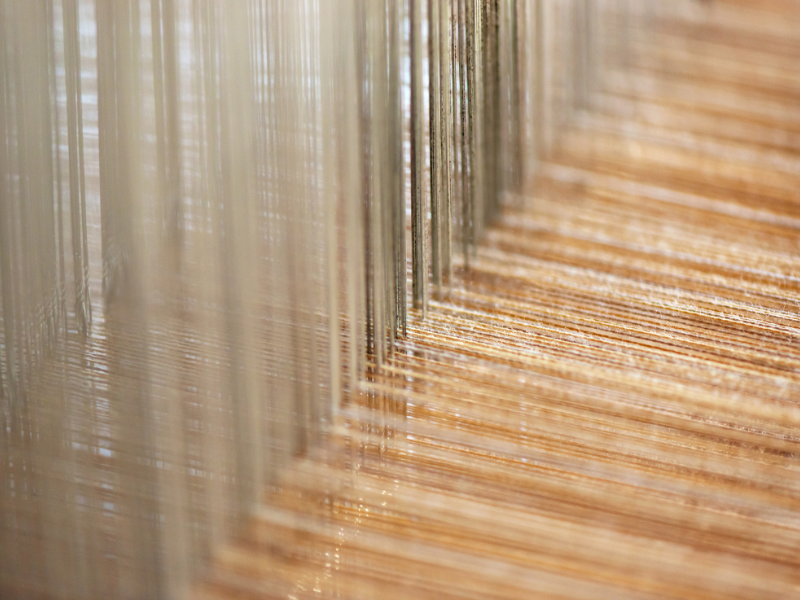
Quality woven fabrics depend not only on weaving techniques but also on the raw materials chosen. Strict control—from fiber selection to managing yarn twist and purity—is essential to producing fabrics that meet international export standards.
Among our offerings, Ananas (pineapple) fiber is a preferred choice for many fashion brands, thanks to its sturdy woven structure, elegant rustic aesthetic, and superior eco-friendly properties. It is an ideal solution for resort wear collections, jackets, and premium accessories.
To optimize your eco-conscious woven fabric supply for your next collection, contact W.ELL Fabric today:
- Hotline: (+84) 857902535
- Email: hello@wellfabric.com
- Website: wellfabric.com
>>> Read more: 10 Types of Bamboo Fabric Weaves


