
News
Global PFAS Bans Every Fashion Brand Should Know About (Update)

PFAS (per- and polyfluoroalkyl substances), often referred to as “forever chemicals,” are facing increasingly strict regulations worldwide due to their potential risks to human health and the environment.
Because PFAS have historically been used in water-repellent, stain-resistant, and oil-resistant applications, the fashion industry—particularly outdoor apparel, sportswear, and technical textiles—is among the sectors most affected by emerging restrictions.
Below is an overview of the latest PFAS regulations and global trends that fashion brands should be aware of to avoid compliance issues and potential product rejection in international markets.
1. What are PFAS and why should the fashion industry care?
PFAS are a group of more than 10,000 synthetic chemicals known for their resistance to water, oil, grease, and stains. They have been widely used in:
- Water-repellent textiles (jackets, rainwear, tents)
- Stain- and oil-resistant fabrics (upholstery, sofas, furniture textiles)
- Food packaging materials
- Personal care products (cosmetics, shampoos)
- Electronics and cleaning products
The concern surrounding PFAS stems from their extreme persistence. These chemicals do not readily break down in nature and can accumulate in the environment and living organisms over time. As a result, governments around the world are introducing bans and restrictions on PFAS-containing products.

>>> Related article: What Are PFAS? Why the Textile Industry Is Moving Away from Forever Chemicals
2. Global PFAS regulations: A 2025 overview
United States
Starting in 2025, products containing intentionally added PFAS are subject to reporting requirements regardless of concentration levels.
Several states, including California, Colorado, and Minnesota, have already enacted restrictions or bans on the sale of apparel, household products, cosmetics, and other consumer goods containing PFAS.
The U.S. Environmental Protection Agency (EPA) requires companies to provide detailed information regarding:
- Types of PFAS used
- Quantities involved
- Intended applications
- Potential risks to workers and the environment
Key consideration for exporters: Fashion products entering the U.S. market—especially textiles, home furnishings, backpacks, and bags—may require evidence of PFAS compliance or documentation demonstrating the absence of intentionally added PFAS.
European Union
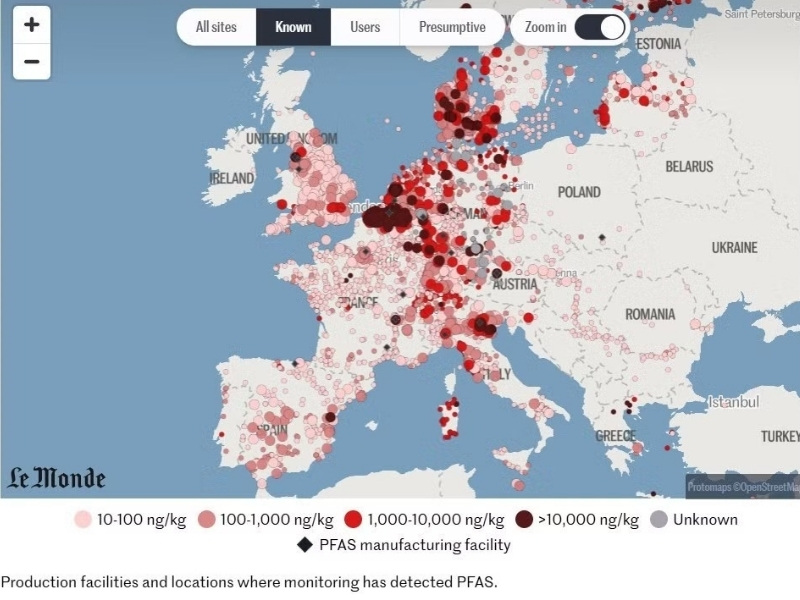
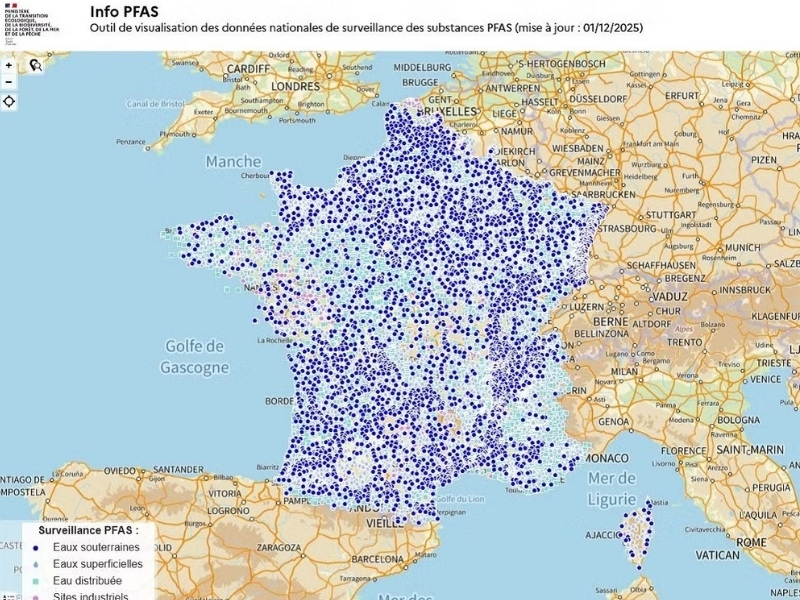
The European Commission is currently reviewing a proposal that could restrict more than 10,000 PFAS substances across a wide range of industries.
While certain sectors such as medical textiles, technical textiles, and protective equipment may receive temporary exemptions due to limited alternatives, the overall direction is clear: significantly reduced PFAS usage throughout the European market.
PFAS-containing firefighting foams are also expected to be phased out across aviation and firefighting applications between 2026 and 2029.
Canada
Canada is increasing its focus on PFAS management through mandatory reporting requirements.
Companies are required to submit information regarding PFAS usage during the 2023 reporting period, with reporting deadlines extending into 2025.
Canadian authorities have also proposed adding PFAS to the country’s toxic substances framework and are encouraging industries to transition toward safer alternatives.
New Zealand
New Zealand has announced plans to eliminate PFAS from cosmetic products.
The phase-out process begins in late 2025, and by 2028, cosmetics containing PFAS will no longer be permitted and must be removed from the market.
Japan
Between 2024 and 2025, Japan expanded restrictions on several PFAS compounds, including controls on manufacturing, importation, and use.
The regulations may also apply to products containing restricted PFAS substances, even when the chemicals themselves are not manufactured domestically.
3. What should fashion businesses do now?
Review Your Supply Chain:
Work closely with fabric suppliers, trim manufacturers, chemical providers, and production partners to determine whether PFAS are being used anywhere in the supply chain.
Explore PFAS-Free Alternatives:
Today, a growing number of water-repellent and stain-resistant technologies are available without relying on PFAS chemistry. Early adoption can help brands prepare for future regulations while reducing compliance risks.
Prepare Documentation and Testing Reports:
Brands exporting to the European Union, United States, Japan, and other regulated markets should maintain appropriate testing reports, chemical declarations, and supporting documentation demonstrating PFAS compliance.
Stay Updated on Regulatory Changes:
PFAS regulations continue to evolve rapidly. New restrictions increasingly target not only legacy PFAS compounds but also emerging alternatives and related chemical groups.
Conclusion
As governments worldwide move toward eliminating forever chemicals from consumer products, fashion brands must proactively adapt to changing regulatory requirements.
Reducing and eventually eliminating PFAS is no longer solely a compliance issue. It is also an opportunity to strengthen brand credibility, improve environmental responsibility, and develop safer, higher-quality products for consumers.
For textile manufacturers, fashion brands, and sourcing teams, understanding global PFAS regulations is becoming an essential part of building a resilient and future-ready supply chain.
Source:
- https://blog.sourceintelligence.com/pfas-regulations-how-to-remain-compliant
- https://echa.europa.eu/-/echa-and-five-european-countries-issue-progress-update-on-pfas-restriction


