
Ananas
Is Ananas Fabric Really Good? Essential Facts About Ananas

As a popular fruit tree in Southeast Asia, pineapple fabric has been known since around the 17th century. Its “golden age” was marked by the Piña fabric from the Philippines, a material favored by the aristocracy and wealthy elite.
Despite its beauty and quality, pineapple leaf fibers (PALF) never became widely used or mainstream. By the late 19th century, it was quickly forgotten as cheap industrial fabrics and the rise of Fast Fashion began to dominate the textile industry.
However, the beauty and quality of pineapple fabric remain undeniable. With the growing GREEN LIVING trend, many startups in Southeast Asia are ambitiously working to “revive” pineapple fabric and make it widely accessible in contemporary life.
In Vietnam, Bảo Lân Textile, along with its strategic partner Ecofa Vietnam, has successfully researched, developed, and mass-produced eco-friendly cottonized pineapple fiber-yarn-fabric. Extracted entirely from pineapple leaves harvested on Vietnamese pineapple farms, with a fully closed-loop production process in Vietnam, the product has been named after the scientific name of the pineapple: Ananas.
1. Why Pineapple Fabric Has Been Elite’s Choice for Centuries?
To weave pineapple fabric, the process begins by cleaning the pineapple leaves after harvest, then meticulously scraping them until only the long, durable, and smooth ivory-colored fibers remain inside. Next, these fibers are processed into threads, spun into yarn, and woven into a thin yet strong and sturdy fabric. This delicate fabric is often embroidered with thread matching its ivory tone and is commonly used to make formal men’s attire (such as the Barong Tagalog shirt, the national dress of the Philippines), shawls, handkerchiefs, or intricate and elegant decorative details on women’s clothing, such as collars and sleeves. It is even used in home décor, like table runners and decorative coverings for chairs and cabinets.

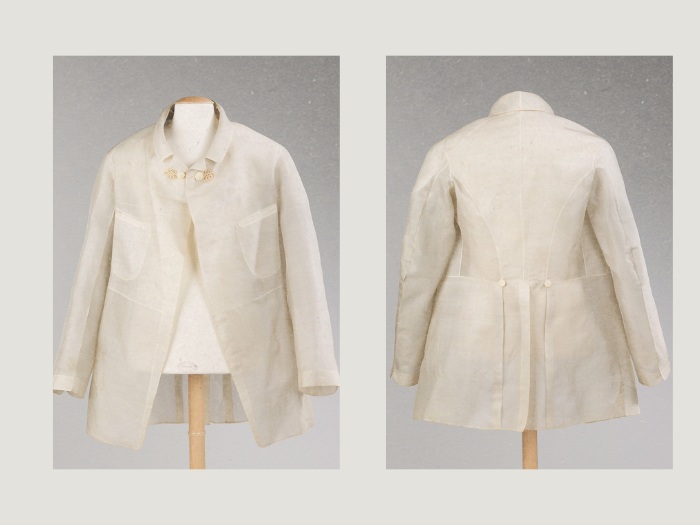
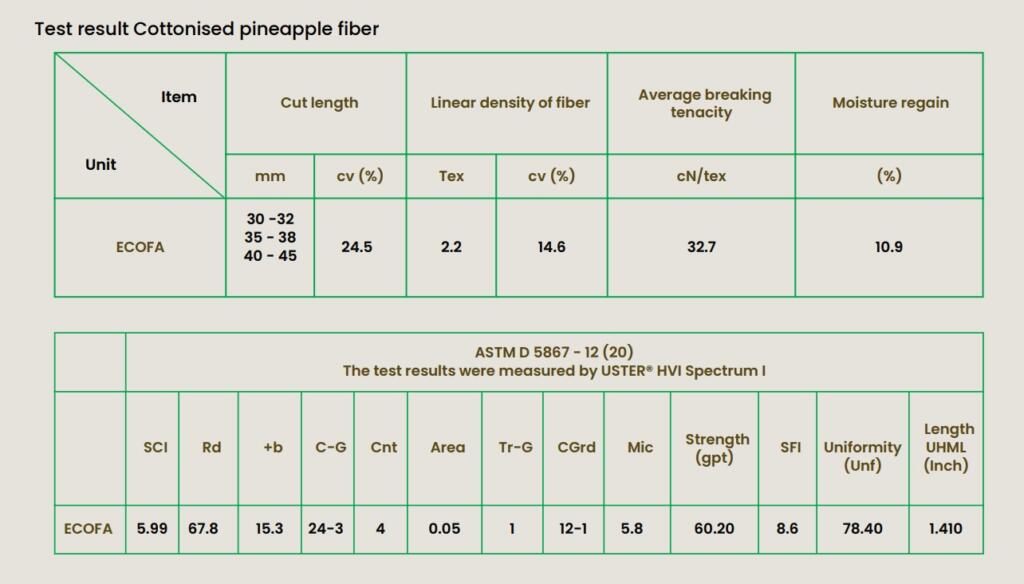
Recently, tests conducted by the Nissenken Quality Evaluation Institute (Japan) and the Ho Chi Minh City Textile Research Institute (VTRSI-TTC) have certified four outstanding features of Ananas fabric:
- Fabric durability
- Natural odor control in the fibers
- Natural antibacterial properties in the fibers
- Natural sun protection in the fibers
The hot and humid tropical climate typically requires clothing materials to be lightweight, cool, breathable, durable, and good at moisture absorption without yellowing easily. These test results validate why the elite in the Philippines historically preferred pineapple fabric.
Clearly, the beauty and superior quality of Ananas fabric have motivated Bảo Lân Textile, along with other Southeast Asian companies, to embark on researching and developing large-scale production of Ananas yarn & fabric to supply it broadly to textile businesses and fashion brands.

2. Mass-Produced Ananas Fabric vs. Handmade Pineapple Fabric
To compare the superiority of handcrafted pineapple fabric and Ananas, let’s explore the large-scale production process of Ananas yarn & fabric in Vietnam.
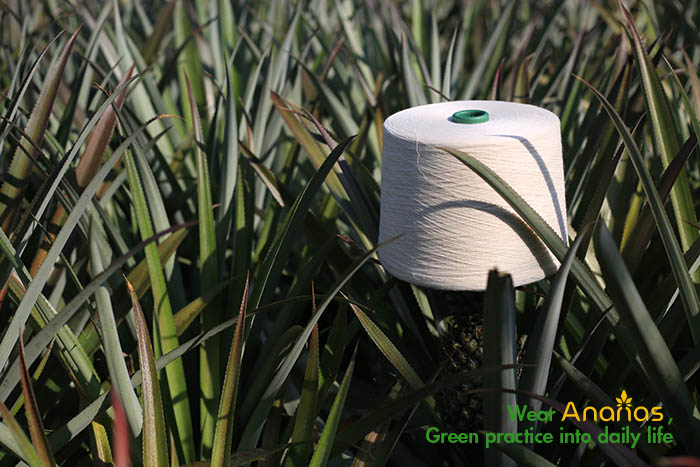
With the “solution to recycle untapped natural pineapple resources after cultivation into natural fiber through mass production methods,” Ananas is the first eco-friendly cottonized pineapple fiber, yarn, fabric with a transparent Vietnamese origin, produced on a large scale through the strategic partnership between Bảo Lân Textile and Ecofa Vietnam. Using cottonized pineapple fiber ready for spinning and blended fibers, Bảo Lân Textile produces large quantities of Ananas yarn & fabric (along with R&D solutions), serving industries such as textiles, fashion, and home décor.
2.1. The Process of Converting Pineapple Leaves into Ananas Fabric

The process of recycling pineapple leaves into a textile material known as Ananas involves the following steps:
– Partnering with farmers and cooperatives in regions such as Điện Biên, Ninh Bình, Thanh Hóa, Nghệ An, and Tiền Giang to harvest pineapple leaves.
– Extracting raw pineapple fibers from the leaves (without using chemical treatments) at the source, using semi-automatic machines and an automatic fiber extraction system developed by Ecofa Vietnam. This step removes the leaf pulp, leaving only fibers that are uniform in length and color.
– Transporting the raw fibers to the factory to begin the process of “carding” the raw fibers into cottonized fiber. This process requires specialized equipment to remove impurities such as hemicellulose, lignin, and pectin. Then, the fibers go through steps such as cutting, opening, and combing to transform the raw fibers into basic “cottonized” fibers with consistent length, fineness, strength, and moisture content, similar to cotton fibers.
This step is crucial and determines the success of the concept of “mass production of pineapple fiber fabric for the general public.” Traditional methods of spinning long fibers and carding pineapple fibers by hand cannot produce pineapple yarn at the scale and quality required for large-scale production in spinning and weaving factories. In fact, many startups in the region have struggled with this phase. However, Ecofa Vietnam has perfected a proprietary system and specialized equipment, which has resulted in a breakthrough for the following stages.
– Once the pineapple fibers are cottonized to the required standard, they are sent to the spinning mill. Ananas yarns can be blended with other eco-friendly yarns such as organic cotton, silk, wool, and bamboo Biocell.
– Ananas yarns can be woven into a variety of popular fabrics: denim, jersey, terry cloth, woven fabric, knit fabric, etc., serving various needs from clothing to accessories, home textiles, and even interior decoration.
>>> Learn more: Key Considerations and Applications of Ananas Fabric
2.2. Advantages of Ananas Fabric Originated in Vietnam
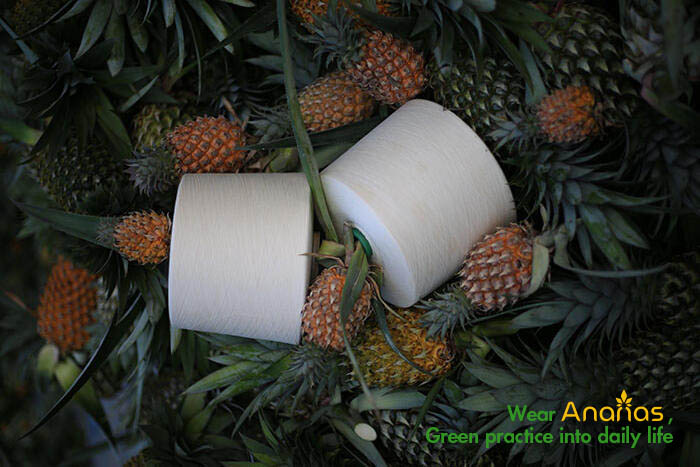
- 100% Natural Material Sourced in Vietnam: Ananas fabric is produced from natural pineapple fibers extracted from pineapple leaves harvested in Vietnam.
- Chemical-Free Fiber Extraction: Our process preserves the natural qualities of the raw pineapple fibers, resulting in a resilient, smooth, and uniform pineapple fiber. This makes Ananas fabric more durable, softer, and more elastic compared to traditional hand-extraction methods.
- Eco-Friendly Practices: With the “recycling agricultural waste from pineapple cultivation into fabric and other products” solution, Ecofa, our exclusive pineapple fiber partner, works directly with pineapple farmers in regions such as Dien Bien, Ninh Binh, Thanh Hoa, Nghe An, and Tien Giang. We ensure a strict, chemical-free production process based solely on mechanical methods like beating, soaking, and basic fiber extraction, guaranteeing environmental safety and minimal impact on the ecosystem.
- Transparency and Quality Control: The advantage of our supply chain is the ability to fine-tune the quality and R&D of the fabric to meet specific requirements of brands and manufacturers. All processes are carried out in Vietnam with the goal of delivering the best experience for the end consumer.
3. Superior Features of Ananas Compared to Handwoven Pineapple Fabric
Drawbacks of Handwoven Pineapple Fabric:
The inherent stiffness of pineapple fibers, combined with the limitations of traditional tools and equipment, means that handwoven pineapple fabric, while appearing thin and durable, often has a rough, dry surface and lacks softness.
How Ananas Improves on Handwoven Pineapple Fabric:
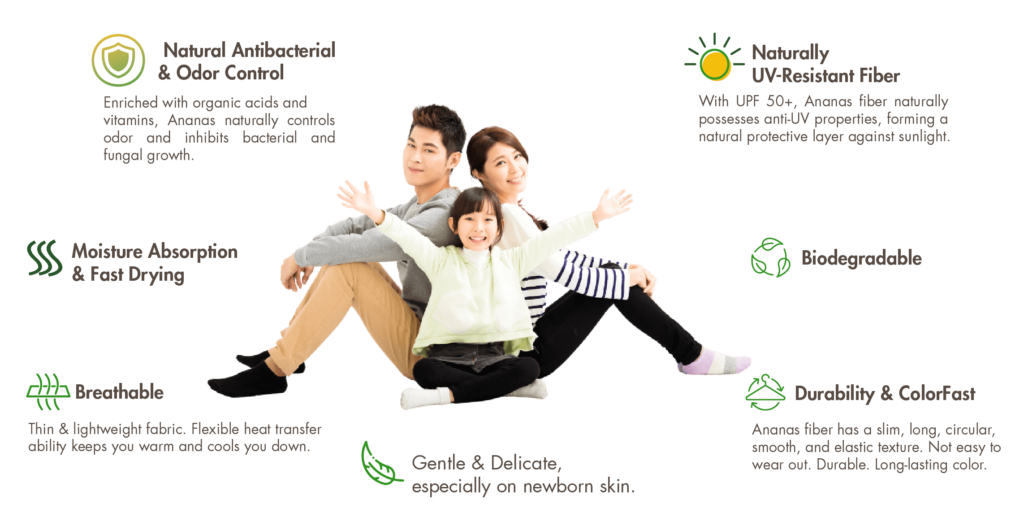
The large-scale production process of Ananas is carefully controlled to ensure eco-friendliness from cultivation, addressing the limitations of traditional handmade pineapple fabric, such as:
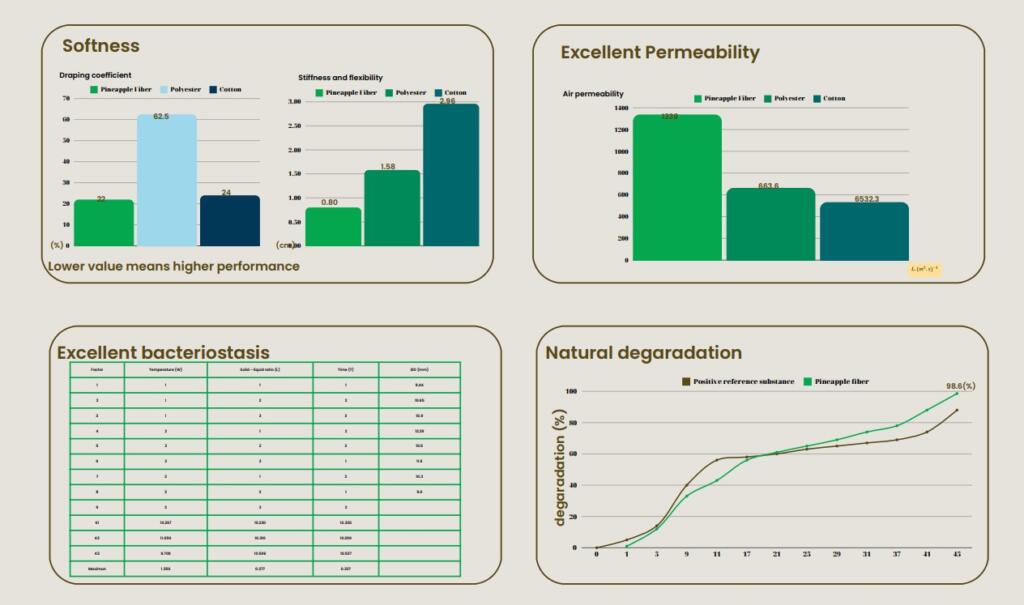
- Customizable Fiber Blends: Once the Ananas fibers reach the “cottonized fibers” standard, they are spun into yarn and can be custom-blended with other eco-friendly fibers such as organic cotton, silk, wool, or Bamboo Biocell . This flexibility allows Ananas to adjust and enhance the softness, drape, firmness, and flexibility of the fabric.
- Versatile Weaving Applications: Ananas fabric can be applied to a wide range of weaving techniques, resulting in various popular textiles such as denim, knitwear, terrycloth, woven fabrics, and knitted fabrics.
- High Tensile Strength: Ananas fibers possess high tensile strength, making Ananas fabric more durable than other natural fibers, ideal for creating long-lasting garments and accessories.
- Natural Odor Control & Antibacterial Properties: Ananas fibers naturally help manage odors and prevent the growth of bacteria and mold, which are common causes of body odors, such as:
- Neutralizes 88% of ammonia odor
- Neutralizes 90% of sour vinegar odor (acetic acid)
- Neutralizes 90% of body odor (isovaleric acid)
- Natural UV Protection: Ananas fibers offer inherent UV protection with a UPF 50+ rating, helping to protect the fabric from harmful sun exposure.
- Durability and Color Retention: The fine, long, smooth, resilient structure of Ananas fibers ensures the fabric is less prone to fraying, retains its color for a long time, and wrinkles less than handwoven pineapple fabric.
- Breathability: The lightweight and breathable nature of Ananas fabric allows for efficient heat transfer, cooling the skin and making it suitable for tropical climates.
- Good Moisture Absorption and Quick Drying: Ananas fabric efficiently absorbs moisture and dries quickly.
- Biodegradable and Environmentally Friendly: The fabric is naturally biodegradable, making it an environmentally friendly choice.
These features have been certified by the Institute of Textile Research & Development in Ho Chi Minh City (VTRSI-TTC) and the Nissenken Quality Evaluation Center (Japan).

Caring for Ananas Fabric:
Like other natural fabrics, Ananas fabric requires more gentle care compared to conventional textiles:
- Hand wash or machine wash with cold or lukewarm water (avoid hot water, as it may affect the fabric’s color).
- Do not use harsh detergents.
4. Comparing Ananas Fabric with Other Popular Materials
As a newly developed product now available for mass production, the softness and smoothness of Ananas fabric cannot yet match that of long-established materials like cotton or bamboo. Additionally, due to the specific nature of pineapple fibers, producing 100% Ananas fabric is currently done only upon special request and cannot yet be produced on a large scale for widespread distribution.
However, Ananas offers distinct advantages compared to other materials:
Compared to Cotton:

- Supply Source: Most cotton is imported, while Ananas fabric, originated-in-Vietnam, has a readily available domestic supply of raw materials.
- Environmental Friendliness: The production process for Ananas uses no chemical degumming, making it more eco-friendly than cotton cultivation and manufacturing.
- Features: Ananas fibers naturally offer better odor control, antibacterial properties, and UV protection than cotton.
- Fabric Softness: Cotton is softer than Ananas fabric.
Compared to Linen, Ramie:
- Supply Source: The raw materials for Linen are still mostly imported (from China, India, Pakistan, etc.).
- Environmental Friendliness: The production of Linen and Ramie still involves the use of chemicals.
- Features: Ananas fibers naturally provide superior odor control, antibacterial properties, and UV protection.
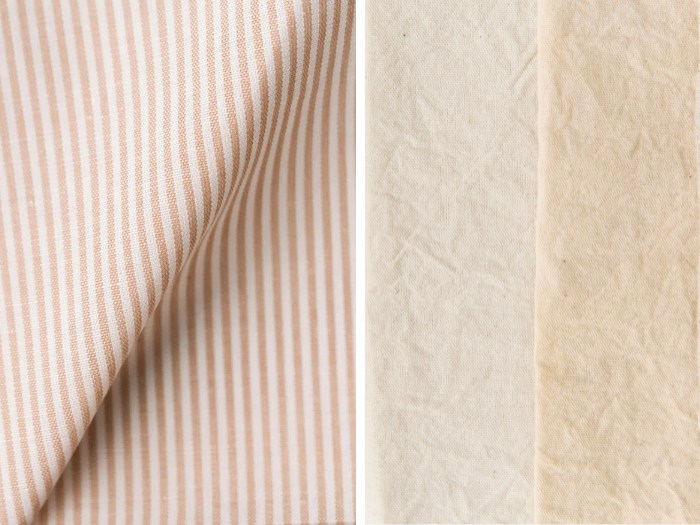
- Fabric Softness: Ananas fabric is smoother and less prone to wrinkling than Linen; Ramie, on the other hand, tends to be rougher and more prone to pilling.
5. Conclusion
Ananas fabric, a cultural heritage of Southeast Asia, has now been developed on a large scale in Vietnam by pioneers such as Bảo Lân Textile, W.ELL Fabric, Greenyarn, and their partners.
The introduction of Ananas marks the first time Vietnam has produced an eco-friendly textile material originated-in-Vietnam from plant-based fibers. According to Mrs. Nguyễn Thị Tuyết Mai, Deputy Secretary General of the Vietnam Textile and Apparel Association (VITAS), “The mass production of Ananas fabric not only positively impacts the demand and growth of the eco-friendly textile industry domestically and globally, but it also signifies a major breakthrough in the collaboration between Vietnam’s pineapple agriculture and the development of Green Fashion in the country.


