
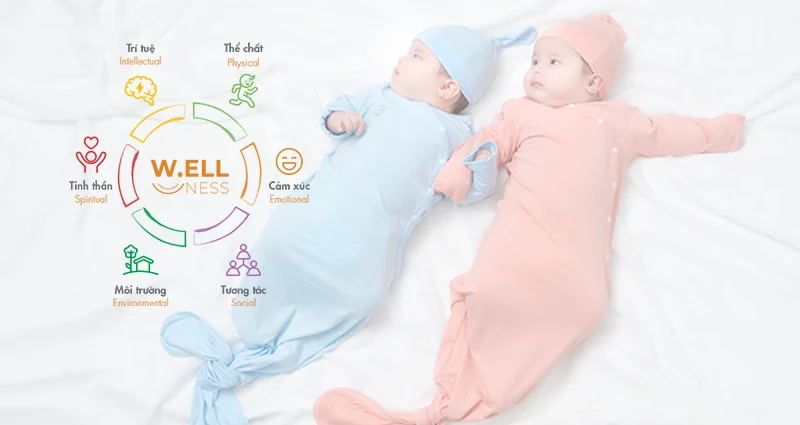
With a stratum corneum that is 30% thinner and epidermal layers that are 20% thinner than those of adults (National Library of Medicine), newborn skin is exceptionally delicate. This means that every material touching a baby’s skin—clothing, swaddles, bedding, sleep surfaces, pillows, socks—must be exceptionally soft, non-irritating, and completely free from harmful chemical residues.
In recent years, babywear brands—especially those serving the newborn segment—have increasingly prioritized eco-based materials with transparent sourcing and recognized international certifications. This shift not only supports parents in protecting their babies’ health but also reflects a broader brand strategy focused on responsibility, long-term value, and the expectations of today’s highly informed parents.
Naturally, as demand grows, the market also becomes more vulnerable to counterfeits, low-grade textiles, and uncertified materials that may not be skin-safe.
In this concise guide, W.ELL Fabric will walk you through a comparison of the three most popular eco-friendly fabrics for babies, helping you choose the right option for your brand’s needs:
- Bamboo Biocell
- Organic Cotton
- Tencel (Lyocell)
>>> Related reading: How Fabric Materials Influence Your Baby’s Sleep
1. Comparing Bamboo, Organic Cotton, and Tencel
The table below outlines the three most widely used eco-friendly fabrics for newborn apparel, evaluated across key criteria: softness, absorbency, breathability, antimicrobial performance, natural characteristics, and cost structure.
| Criteria | Bamboo Biocell | Organic Cotton | Tencel |
| Softness | Very soft and gentle on sensitive skin | Softer than conventional cotton, smooth surface | Naturally cool, fluid drape, non-abrasive |
| Absorbency | Excellent (higher than regular cotton); fast-absorbing and efficient moisture wicking | Good, stable for daily wear | Excellent; superior moisture management, prevents skin irritation |
| Breathability | Supports thermal regulation: cool in summer, warm in winter | Good breathability | Highly breathable |
| Antibacterial | Naturally derived from bamboo; good odor control, ideal for babies who sweat a lot | No inherent antibacterial properties | Naturally better antibacterial performance than regular viscose |
| Natural Properties | From FSC-certified bamboo forests; closed-loop manufacturing preserves fiber integrity | Grown organically, GMO-free, pesticide-free; eco-friendly processes | From FSC-certified eucalyptus wood; closed-loop production with advanced biodegradability |
| Cost | Medium – stable pricing | Medium | High |
1.1. Bamboo: Soft, Antimicrobial, Odor-Resistant, UV-Protective, and Thermo-Adaptive
Sourced from eco-grown bamboo, Bamboo fabric is one of the most preferred materials for direct skin contact in babywear. With a naturally cool, silky-soft hand-feel, Bamboo offers excellent thermo-regulation and helps preserve the skin’s natural moisture barrier.
However, the market is saturated with inconsistent bamboo textiles—from bamboo-blended viscose to uncertified products with unknown origin and processing methods—making it difficult for buyers to identify authentic, skin-safe bamboo fabrics.
For this reason, W.ELL Fabric has developed Bamboo Biocell, a made-in-Vietnam bamboo fiber. Created using high–cellulose bamboo sourced from organic bamboo forests and processed through a closed-loop system that recycles solvents, Bamboo Biocell retains the intrinsic natural advantages of true bamboo fiber.
It is recognized as the first and only transparent, origin-verified bamboo textile “made in Vietnam,” complete with C/O documentation and international safety certifications. Key attributes include:
- Natural UV protection up to UPF 50+, shielding a baby’s skin from ultraviolet exposure.
- Natural odor control & antimicrobial properties, ideal for babies who sweat easily during sleep.
- Thermo-adaptive behavior, keeping babies warm in cool weather and cool in warmer climates.
- Higher moisture absorbency than conventional cotton, reducing the risk of heat rash.
- Exceptional softness, suitable even for highly sensitive or premature skin.
- Smooth, round fiber structure, low pilling tendency, durable, and with stable stretch recovery.
Certified by: GOTS, OEKO-TEX®
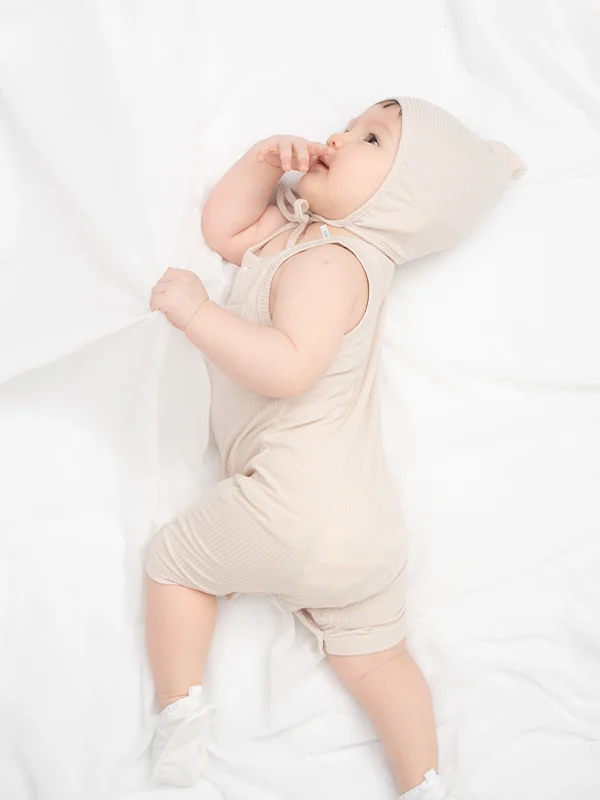
1.2. Organic Cotton: Durable, Hypoallergenic, and Fully Skin-Safe
Grown without synthetic pesticides, fertilizers, or GMOs—and manufactured through environmentally responsible processes—Organic Cotton is inherently safe for newborn skin. With superior breathability and a naturally soft touch, Organic Cotton provides reliable comfort and excellent compatibility with sensitive or reactive skin.
It supports both infant health and traceable supply chains, making it a preferred choice for brands committed to transparency.
Key advantages recognized by leading standards such as GOTS and OEKO-TEX® include:
- More breathable and softer than conventional cotton.
- Lower irritation risk thanks to the absence of pesticide residues.
However, unlike Bamboo or Tencel, Organic Cotton does not possess natural antimicrobial properties.
1.3. Tencel: Premium, Skin-Safe, Smooth, and Cool-to-Touch
Developed by Lenzing (Austria), Tencel (Lyocell) represents a next-generation bio-cellulose fiber produced from sustainably managed eucalyptus wood through an advanced closed-loop process. It has become a leading material for premium babywear lines focusing on comfort and environmental responsibility.
While Tencel offers multiple advantages, it is best known for its three standout characteristics:
- Naturally smooth, cool, and fluid drape—minimizing friction on delicate skin.
- High tensile strength and dimensional stability, making it less prone to wrinkling compared with other cellulose fibers.
- Exceptional moisture-management performance, regulating skin humidity more effectively than cotton.
Tencel fibers also exhibit lower bacterial growth and better inherent hygiene compared with standard viscose.
2. Evaluating Fabric Choices Based on Product Needs
Each newborn product category—swaddles, reusable diapers, bodysuits, sleepwear, blankets—requires specific performance attributes, ranging from durability and softness to absorbency and cost efficiency. Selecting the right material not only ensures optimal comfort for babies but also helps brands position themselves clearly in terms of segment and value proposition.
Below are recommendations from W.ELL Fabric:
2.1. Bamboo Biocell: The Ideal Choice for Newborns
With its naturally soft hand-feel, gentle touch, inherent antimicrobial properties, excellent moisture absorption, and thermo-adaptive behavior, Bamboo Biocell is exceptionally well-suited for products that remain in direct, frequent contact with a baby’s skin during the first months of life.
This is also a fabric that strengthens the emotional connection between brand–parent–child, as the perception of “gentle, clean, skin-friendly” is a key deciding factor for caregivers.
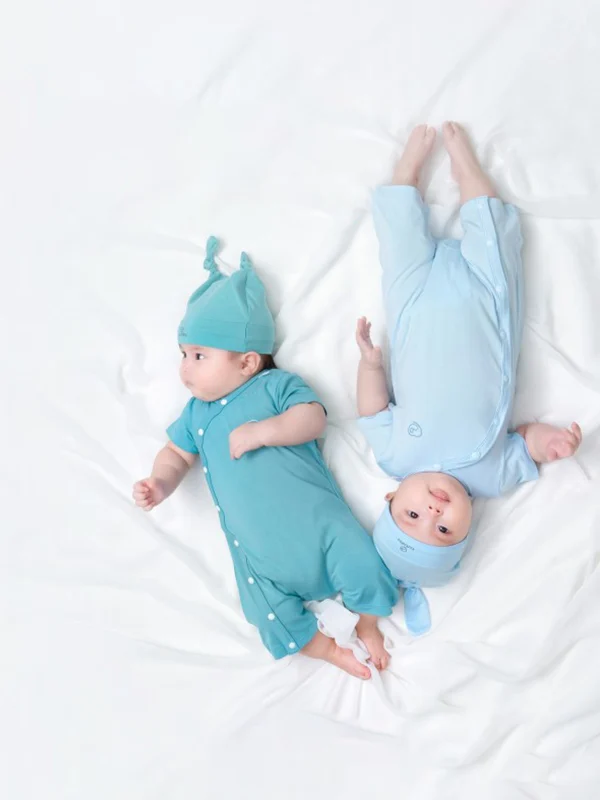
2.2. Organic Cotton: A Durable, Structured Fabric for Activewear
Organic Cotton offers a strong, breathable, hypoallergenic fiber that maintains comfort without requiring complex care or washing routines. It is ideal for practical, everyday designs that prioritize safety and long-term wear.
This material carries a clear message of “safety and transparency,” making it suitable for both domestic and export markets in the children’s apparel sector.
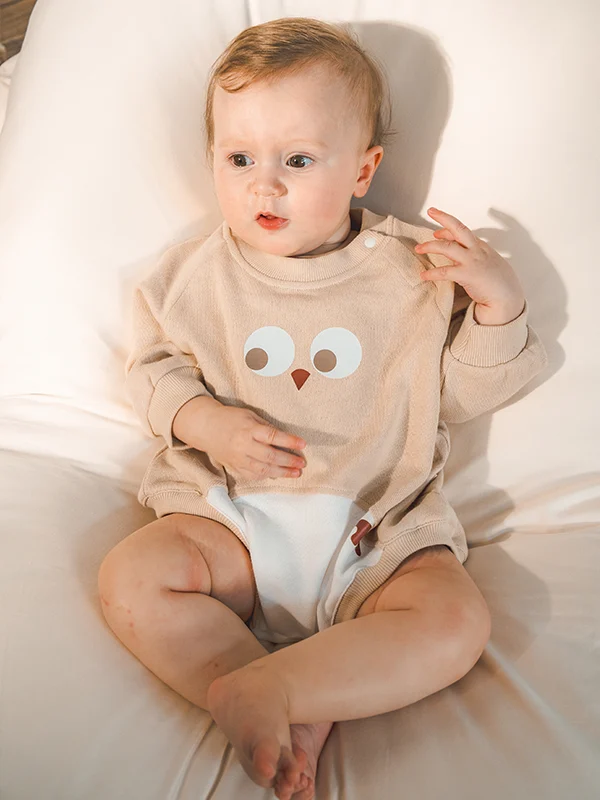
2.3. Tencel: The Premium Choice for Baby Bedding & Sleep Products
With its fluid drape, ultra-smooth surface, and exceptional temperature-regulation capabilities, Tencel is widely recognized for its superior sleep comfort and is highly favored in demanding markets such as Europe and Japan.
Tencel-based designs support deeper, cooler, and less interrupted sleep, reducing discomfort from heat, humidity, and sweat accumulation. It is ideal for premium functional products such as sleepwear, pillowcases, blankets, and bed linens.
3. Why Choosing the Right Material Is a Long-Term Investment
3.1. Evolving Consumer Awareness Requires Brand Transformation
Modern parents no longer rely solely on intuition when choosing baby products—they evaluate raw-material origin, production methods, and independent safety testing. They are willing to pay a higher price for newborn sleepwear made from certified natural-origin fabrics when those materials offer clear aesthetic and health benefits.
3.2. High-Quality Materials Create a Competitive Advantage
Thoughtful investment in fabric quality is the foundation of long-term brand trust.
A soft, breathable, irritation-free liner or blanket becomes the first touchpoint between parents and a brand—an experience that shapes loyalty over many years.
Younger parents—particularly Gen Y and Gen Z—are not easily influenced by generic advertising. They trust verified information, real user experience, and transparent supply chains. The reassurance provided by internationally certified eco-friendly fabrics encourages modern parents to buy, recommend, and remain loyal to the brand.
In babywear, fabric is not just a technical component—it is a brand’s commitment to careful craftsmanship and child wellness. Choosing Bamboo Biocell, Organic Cotton, or Tencel is a deliberate statement that the brand prioritizes infant safety above all.
Clearer Brand Positioning Toward Responsible Production
As safety, traceability, and responsible sourcing become standard expectations in the baby apparel industry, material selection is no longer a technical decision—it is a strategic brand-building milestone.
The children’s apparel segment—where every stitch interacts with a baby’s sensitive skin—has increasingly shifted toward eco-friendly, origin-verified, and internationally certified materials. This aligns with modern parents’ desire for well-researched, genuinely safe choices and supports a long-term brand vision rooted in responsibility.
Better Access to Mother & Baby Retail Chains
According to Baby Clothing Factory data, international certifications such as OEKO-TEX® STANDARD 100 and GOTS are key criteria used by major Mother & Baby retail chains to evaluate product safety and quality.
These certifications are now essential in supplier selection for large distribution systems seeking to maintain consumer trust.
In developed markets, brands planning to enter reputable retail channels consistently prioritize eco-friendly raw materials with traceable origins and globally recognized quality verification.
Strengthening a Brand’s Community Value
A brand’s value is no longer measured solely by revenue, profitability, market share, or operational efficiency. Commitments to quality, community responsibility, and emotional connection with users increasingly define how a brand is evaluated.
This is also a driving force encouraging Mother & Baby brands to confidently adopt materials that demonstrate genuine safety, transparent sourcing, and third-party certification.
4. Partnering With W.ELL Fabric to Develop the Right Materials for Your Babywear Brand
As a developer and innovator of eco-friendly textile materials, W.ELL Fabric understands that every fiber represents more than a material choice—it is a brand’s care for its users, a bridge of trust, and the foundation of long-lasting emotional connection.
All W.ELL Fabric materials are curated and developed under stringent international standards:
- OEKO-TEX® Standard 100 – Product Class I: The highest safety level, specifically for textiles in direct contact with newborn skin.
- GOTS (Global Organic Textile Standard): Certifies organic textiles from raw material to processing, ensuring transparency and responsible production.
Our Baby & Mom fabric portfolio—such as Bamboo Biocell and Organic Cotton—can be flexibly blended with other sustainable fibers including Ecovero, Ananas pineapple fiber, Tencel, recycled Poly, creating fabrics that combine the strengths of multiple material families: softness, durability, temperature regulation, and functional performance for a wide range of baby and maternity products.
Contact W.ELL Fabric
Hotline: (+84) 857 902 535
Email: [email protected]


