
News
The State of Fashion 2026: 9 Themes When the Rules Change
As fashion executives look to 2026, they are contending with a fundamentally new reality.
Whereas in previous years fashion leaders, facing the volatility of global affairs, weren’t certain about what lay ahead, now they seem to have accepted that constant change is simply the new normal. “Challenging” has overtaken “uncertainty” as the word executives polled in the annual Business of Fashion–McKinsey State of Fashion Executive Survey used most frequently to describe the industry in 2026.
The Business of Fashion 2026-McKinsey analysis states that the global fashion industry will once again post low single-digit growth in 2026. Perhaps unsurprisingly, then, 46% of leaders said they expect conditions to worsen in 2026, compared with 39% in last year’s survey. But not everyone is so downbeat. Among those polled, 25 per cent believe industry conditions will improve, up from 20% in 2025, suggesting some players see pockets of opportunity.
Heightened macroeconomic volatility is expected to continue to weigh on sentiment and drive value-conscious consumer behaviour. 9 highlighted themes impact our industry as follows:
1. Tariff turbulence
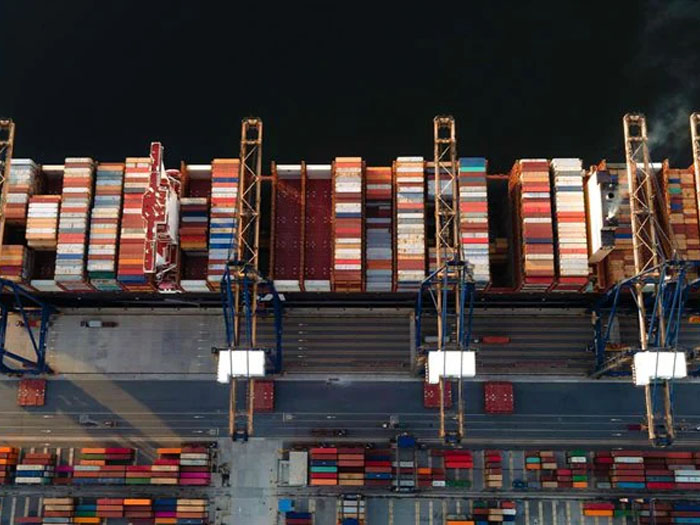
US tariffs are reshaping global trade as higher duties push up costs across the value chain, heavily affecting fashion. Brands are making price changes, shifting sourcing, and improving efficiency in a bid to counteract the impact. Larger suppliers are pursuing footprint optimisation, digitisation, and automation, while smaller players face mounting pressure. Agility will be the defining factor enabling brands and suppliers to maintain their competitive edge.
2. The well-being era
Well-being is becoming central to how consumers live, spend, and define themselves. As they tire of attention-grabbing content, they are drawn to brands that reflect their shifting identities and offer them emotional connections. Fashion brands are responding by entering well-being-adjacent “third spaces,” but further opportunity lies in integrating these shifting priorities more holistically across the brand universe.

3. The elevation game
From the value segment up to affordable luxury, fashion brands are moving upmarket. Some want to differentiate themselves from ultra-low-cost competitors, while others aim to capture the former high-end shopper who has been squeezed out by luxury prices. With margins under pressure and competition intensifying in 2026, these elevation strategies will gain new urgency. Product quality and standout experiences could help brands upgrade their positioning.
4. Jewelry sparks
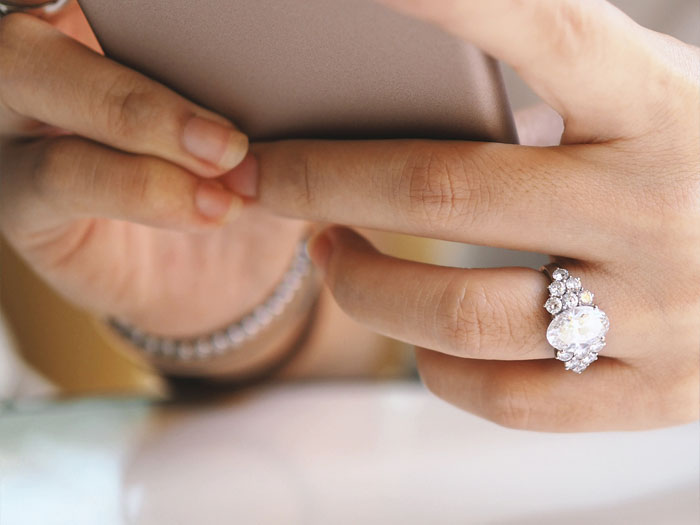
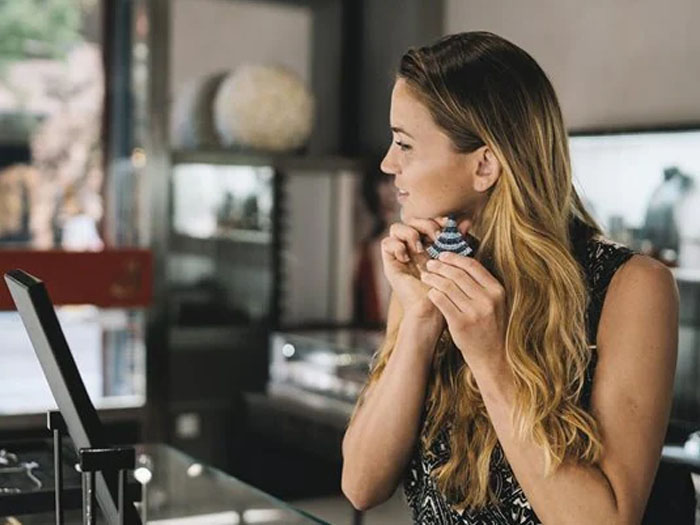
With unit sales growth outpacing all other fashion categories, jewelry’s bright moment is set to continue into 2026. Having defied the broader luxury slowdown, the category will continue to reap the rewards of a growing customer base with a desire for long-lasting investments, self-expression, and self-gifting. As jewelry cements its role as the centerpiece of accessories, fashion players will seek to capture their share of the category’s outsized growth.
5. Resale sprint
Customers are spending more on secondhand fashion in the search for value as prices continue to rise in the primary market. Marketplaces have made shopping secondhand mainstream, but brands must now define resale strategies of their own. While operational hurdles remain, the lure of untapped revenue will make resale an increasingly attractive way to bolster business models and brand perception.

6. Luxury recalibrated
The luxury slowdown is prompting a phase of strategic renewal. Brands are reducing their reliance on price-led growth and refocusing on creativity and craftsmanship to rebuild client trust. This recalibration calls for brands to balance the needs of distinct customer segments and integrate product, storytelling, and client experience into a cohesive expression of brand value.
7. The AI shopper
Artificial intelligence is already disrupting how consumers discover fashion. In the years ahead, autonomous AI shopping agents may even act on their behalf, completing tasks from monitoring prices to buying products. To ensure their products are visible to—and favored by—AI models, brands must rethink their digital marketing and e-commerce infrastructures, where semantically rich data and API-accessible content will be critical to success.

8. Efficiency unlocked
In a challenging fashion market, companies must become more efficient to drive growth. Traditional advantages, such as scale and low-cost sourcing, are no longer sufficient to sustain a healthy economic model. By taking advantage of new technology, businesses can improve productivity to reduce costs, unlocking resources to invest in differentiators that enable growth.

9. Workforce rewired
Technology is reshaping workforces globally. Artificial intelligence investments are set to boost productivity, meaning some existing positions will become AI-centric and new roles will emerge. Fashion leaders must prioritize upskilling their workforces and acquiring new talent to stay competitive. Strong change management will be critical to capture AI’s full potential.

US tariffs have redrawn trade maps and forced brands and their suppliers to rapidly adjust. Consumers continue to rethink their spending, seeking value and devoting more of their budgets to achieve other goals, including their own well-being and longevity. The swift onset of AI, meanwhile, means fashion businesses find themselves in a rapidly changing technological landscape.
The industry’s main agenda in 2026 will be adapting to a new environment where trade, consumer behavior, and technology remain in rapid flux. Agile brands that can adapt quickly are likely to emerge as the winners.
Source: Business of Fashion–McKinsey


