
Bamboo
How to Differentiate Between Genuine Bamboo Fabric and Fake Bamboo Fabric

Bamboo fabric, also known as bamboo textile, has become increasingly popular in the fashion and interior design industries due to its outstanding features such as softness, UV protection, antibacterial properties, and thermal regulation.
Several years ago, as the demand for bamboo fabric grew, the market saw an influx of fake bamboo textiles. Over time, consumers learned to distinguish between authentic bamboo fabric and bamboo-like impostors. By 2022, when W.ELL FABRIC introduced Bamboo Biocell in Vietnam, the market took a step forward: consumers began focusing not only on authenticity but also on whether the bamboo fabric was genuinely eco-friendly.

As “green fashion” evolves into a set of clear criteria rather than just an aspirational concept, the demand for truly sustainable bamboo fabrics has grown significantly. To maintain customer trust in genuinely eco-friendly materials, fashion brands are now actively seeking authentic green bamboo fabric for their products.
Distinguishing between genuinely eco-friendly bamboo fabric and uncertified alternatives isn’t as challenging as it might seem. Let’s explore some key factors to help you identify the real deal.
>>> Read more:
- Nature’s Gift: Unveiling the Process of Turning Bamboo into Fabric
- Preserving the Beauty: Best Practices for Caring for Bamboo Fabric
- Sustainable Living Made Stylish: Explore Bamboo Fabric Products
- Exploring the Intricate Bamboo Fabric Weaves
- The Ultimate Guide to Bamboo Fabric Underwear
1. The Controversial Eco-Friendliness of Bamboo Fabric
Although bamboo fabric has been around for nearly a century, it wasn’t until the early 2000s that it began to gain significant commercial traction. Despite its recognized quality, debates surrounding its environmental friendliness have persisted.
The controversy stems from two common methods of bamboo fabric production:
- Mechanical Process: This method uses natural enzymes to extract bamboo fibers, which are then spun into yarn. While environmentally friendly, it is highly labor-intensive and costly, limiting its production scale.
- Open-Loop Chemical Process: This approach relies on strong chemical solvents like sodium hydroxide and carbon disulfide to break down bamboo leaves and wood shoots. While efficient, it raises significant health and environmental concerns.
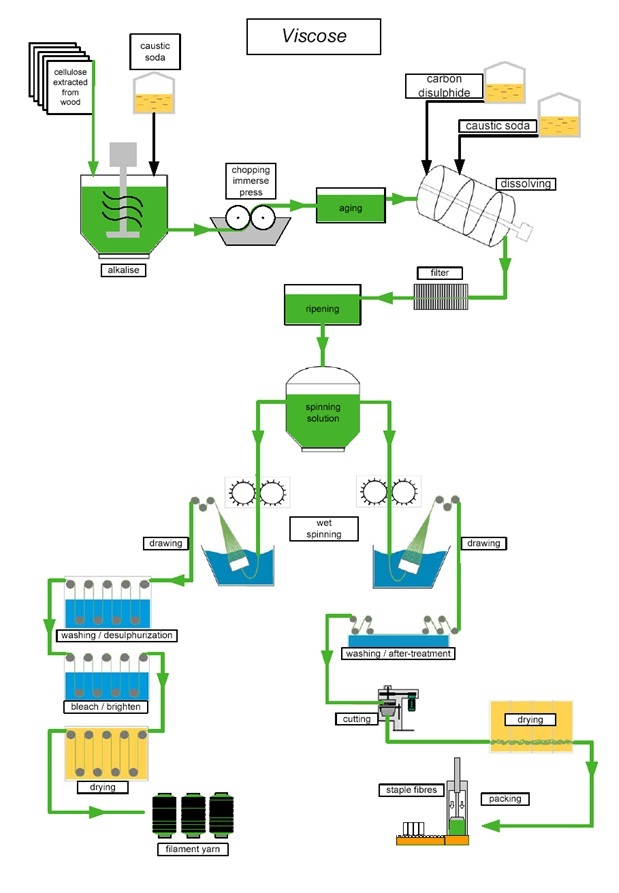
Most bamboo fabrics on the market are produced through the open-loop chemical process. This has led to skepticism about whether bamboo fabric is truly as eco-friendly as the bamboo plant itself. It has also sparked worries about potential health risks and ecological pollution.
2. Is Non-Eco Bamboo Fabric the Same as Fake Bamboo Fabric?
It’s important to clarify that non-eco bamboo fabric is NOT the same as fake bamboo fabric.
Fake bamboo fabric refers to textiles designed to mimic the characteristics of authentic bamboo fabric but without using actual bamboo as a raw material. These are often made from coarse viscose—a synthetic material derived from a mix of wood pulp (typically from various types of trees)—or even blended with polyester or microfiber. Due to its simpler production process, fake bamboo fabric is cheaper to produce.
On the other hand, non-eco bamboo fabric is made entirely from bamboo but is produced using the environmentally harmful open-loop chemical process or through methods with unclear production practices or sourcing. This raises doubts about whether the natural benefits of bamboo, such as UV protection and thermal regulation, remain intact after production.
Both types of fabric—fake bamboo and non-eco bamboo—fall short of delivering the superior qualities of authentic, eco-friendly bamboo fabric. They lack key features such as effective moisture-wicking, breathability, UV resistance, and antibacterial properties. Moreover, neither option offers the genuine quality expected by consumers and both contribute negatively to environmental sustainability.

3. The Risks of Using Fake Bamboo or Non-Certified Bamboo Fabrics
Choosing fake bamboo fabric or bamboo fabric of unclear origin (i.e., not verified as eco-friendly bamboo) can compromise not only the aesthetics and durability of a product but also pose risks to sensitive skin—especially for infants. These fabrics are far less gentle than authentic, eco-friendly bamboo textiles:
- Skin Irritation: Low-quality fabrics that lack the natural properties of genuine bamboo fibers can cause redness and skin irritation. This is particularly concerning for children, as their skin is thinner and more sensitive.
- Lack of Breathability: Due to poor moisture absorption and minimal or no antibacterial properties compared to real eco-friendly bamboo, wearing these fabrics can make it harder for the skin to release sweat. This creates an ideal environment for bacterial growth, leading to discomfort.
These concerns are why consumers are increasingly prioritizing whether their bamboo fabric is truly eco-friendly rather than simply opting for lower-cost alternatives.
4. How to Identify Genuine Eco-Friendly Bamboo Fabric, Especially in Vietnam?
The debates surrounding the eco-friendliness and authenticity of bamboo-based textiles largely stem from concerns over the production technology used to process bamboo fibers.
4.1. Understanding the Origins & Production Technology of Bamboo Fibers
Research highlights that:
- Only organic bamboo with high cellulose content produces premium bamboo fibers that are strong, durable, and retain the natural properties of bamboo.
- Production must adhere to a closed-loop system to minimize environmental impact effectively. This includes:
- Conserving energy.
- Recycling water.
- Reducing waste.
- Utilizing recyclable and biodegradable by-products, which can even generate electricity.
- Breaking down waste into natural compounds.
Simply put, even bamboo with a high cellulose content loses its inherent qualities and becomes environmentally harmful if processed using the open-loop system.
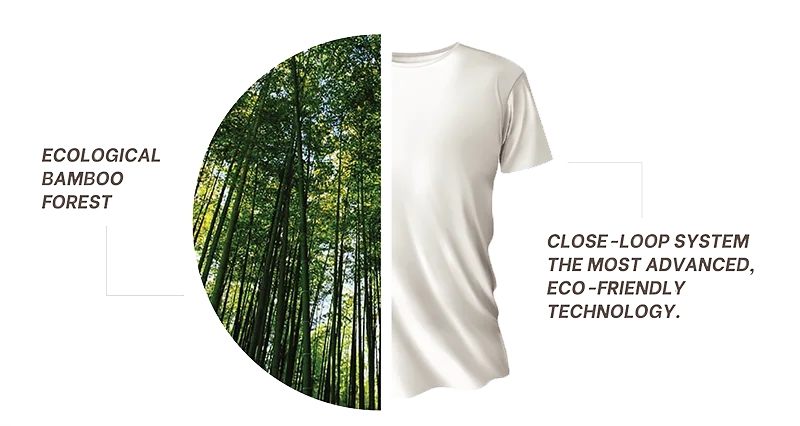
For the first time in Vietnam, Bamboo Biocell Fabric has achieved this breakthrough. Produced entirely using a closed-loop system, the bamboo fibers are sourced from the world’s largest organic bamboo forest ecosystem. The spinning, weaving, dyeing, and finishing processes are meticulously managed by Bảo Lân Textile, which partners with advanced manufacturing facilities adhering to green standards.
This marks Vietnam’s first truly eco-friendly bamboo fabric, offering genuine sustainability, safety, and transparency with organic, cellulose-rich bamboo fibers.
4.2. All Genuine Bamboo Fabrics Have Green Certifications
Each factory in different countries may have its own regulations regarding green production standards. However, you can rely on trusted certifications awarded to bamboo fabrics, such as Oeko-Tex, Soil Association, SKAL, KRAV, SGS, IAF, Ecocert, and more.
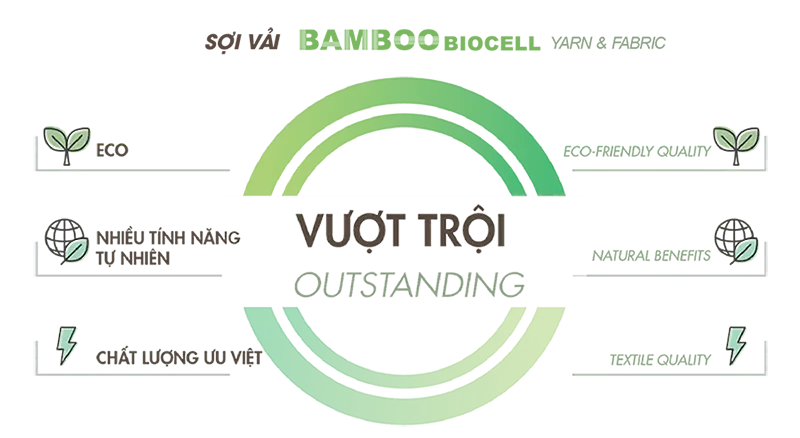
Similarly, Bamboo Biocell fabric, made in Vietnam and developed by Bảo Lân Textile and distributed by W.ELL Fabric, not only carries the reliable eco-label Oeko-Tex® Standard 100, but also proudly boasts two additional certifications in the textile industry: GOTS (Global Organic Textile Standard) – the world’s leading standard for organic fiber textiles, and GRS (Global Recycle Standard) – the global standard for recycled materials.


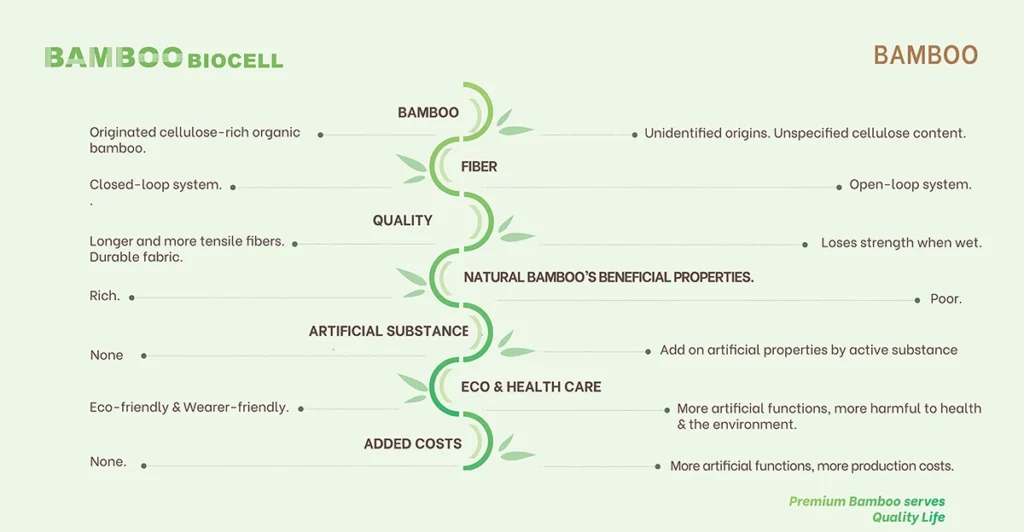
4.3. What Are the Key Quality Differences Between Bamboo Biocell (Genuine Eco-Friendly Bamboo) and Non-Certified Bamboo?
There are seven major differences that significantly impact product aesthetics and the material’s safety for users:
4.4. Exceptional Features of Bamboo Biocell
A perfect fusion of nature’s essence and closed-loop technology, Bamboo Biocell stands out as an expert in temperature regulation, health protection, and providing gentle care. It delivers outstanding breathability and premium comfort for users in all activities, weather conditions, and environments.

5. Practical Benefits of Bamboo Biocell for Brands

In a market where bamboo fabric often faces skepticism regarding its quality and sustainability, Bamboo Biocell addresses these concerns by leveraging local raw materials and advanced production technology in Vietnam. This innovation expands the options for durable, high-quality bamboo fabric with stable pricing, offering significant advantages for textile and eco-fashion brands:
- Transparent Sourcing: Ensures consumer trust in the genuine quality and sustainability of bamboo fabric.
- Competitive Pricing: Eliminates import costs, guaranteeing cost-effective solutions.
- Vietnam-Origin Certification (CO): Facilitates tax reduction or exemption for export customers.
- Flexible Order Quantities: Accommodates both bulk and smaller, niche orders.
- Reliable Production and Delivery: Guarantees timely manufacturing and shipping.
- Wide Range of Customizations: Offers a variety of colors, weaves, yarn counts, and bamboo blends, including 100% Bamboo, Bamboo/Cotton, Bamboo/Poly, Bamboo/Organic Cotton, Bamboo Melange, Bamboo Tencel, Bamboo Silk, Bamboo Linen, and Bamboo Hemp.
- Meets Global Sustainability Goals: Aligns with eco-conscious initiatives, especially in Europe—a leading region in adopting environmentally responsible measures to achieve carbon neutrality and combat climate change.
With these advantages, Bamboo Biocell empowers brands to stay ahead in the global shift toward sustainable fashion.
- Phone: (+84) 857902535
- Email: hello@wellfabric.com – ask@greenyarn.vn
- Addr: 10 Nguyen Dang Giai, Thao Dien ward, Thu Duc city, HCMC.
6. Final Thoughts
This article has provided a detailed perspective on the differences between genuine eco-friendly bamboo fabric, fake bamboo fabric, and uncertified bamboo materials. We hope it equips brands, businesses, and consumers with the information needed to make informed choices in today’s chaotic bamboo fabric market.
If you value environmental sustainability, quality, and raw material safety, prioritize purchasing from reputable suppliers with certifications such as GOTS or Oeko-Tex Standard 100. Choosing genuine eco-friendly bamboo fabric not only benefits health but also supports environmental protection and promotes a circular economy.
For those seeking high-quality, sustainable bamboo fabric, be sure to explore Bamboo Biocell fabrics from the W.ELL Fabric brand.


