
News
EU Textile Export Regulations: Leveraging EVFTA for a “Greener” Supply Chain
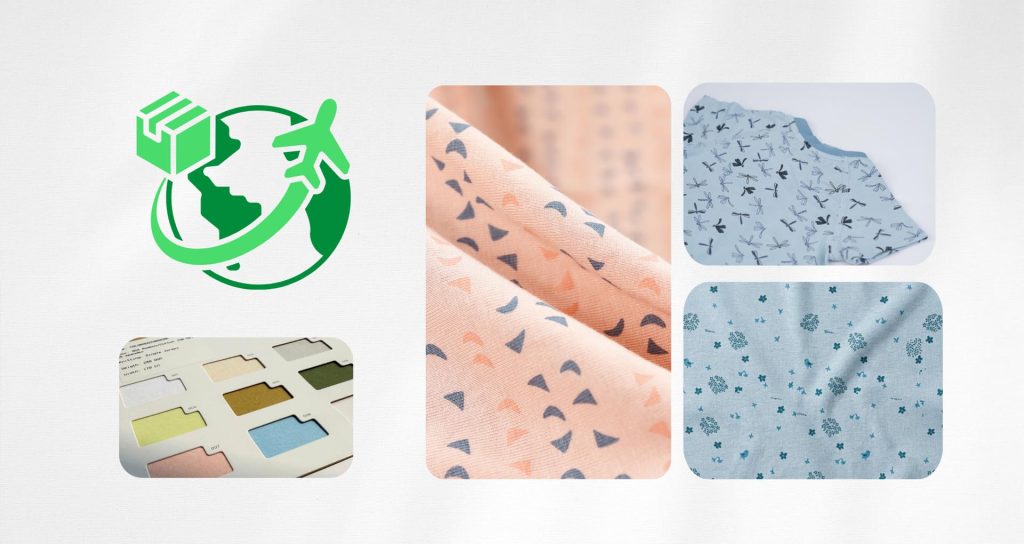
Vietnam’s textile industry is moving beyond low-cost CMT (Cut-Make-Trim) and rapidly transforming into a global “Green Manufacturing Hub.” Under the leverage of the EVFTA, mastering EU textile export regulations is the key to unlocking the 27-member European market with transparent, origin-certified products.
Partner with Bao Lan Textiles to navigate Rules of Origin and leverage our “Made in Vietnam” natural fiber collections to optimize tariff benefits for all your EU export orders.
1. The EVFTA: Key milestones and effective dates
To optimize your tariff roadmap, businesses must understand these critical dates:
- Signing Date: June 30, 2019, in Hanoi.
- Membership: Includes Vietnam and the 27 member states of the European Union (EU).
- Effective Date: Officially entered into force on August 1, 2020, ushering in a new era for Vietnamese textile exports to the EU.
The Free Trade Agreement between Vietnam and the EU significantly reduces import duties for Vietnamese garments, providing a decisive competitive edge over major competitors like China or Bangladesh (who do not possess a similar FTA).
2. Rules of Origin (RoO) in EVFTA: The key to 0% duties
This is the most critical component of EU textile export regulations. To qualify for preferential tariffs, goods must satisfy the “Double Transformation” mechanism, commonly known as the “Fabric-Forward” rule.
- Requirement: The stages of fabric production (weaving/knitting) and garment assembly must be performed within Vietnam or the EU.
- Extended Cumulation: A strategic highlight of the EVFTA is the “cumulation” clause, allowing the use of fabrics originating from South Korea (which also has an FTA with the EU) for garment manufacturing in Vietnam while still qualifying as originating.
Crucial Compliance Note: Businesses must maintain absolute transparency in record-keeping—from yarn invoices and dyeing certifications to Form EUR.1 Certificates of Origin—to remain audit-ready for EU customs verifications.


3. The impact of EVFTA on Vietnam’s textile industry
The EVFTA has brought a profoundly positive impact, but it also introduces pressure regarding “Green Standards.” The EU does not only monitor origin but also tightens regulations on ecology and Corporate Social Responsibility (CSR).
At Bao Lan Textiles, we are fully equipped to help partners maximize these advantages:
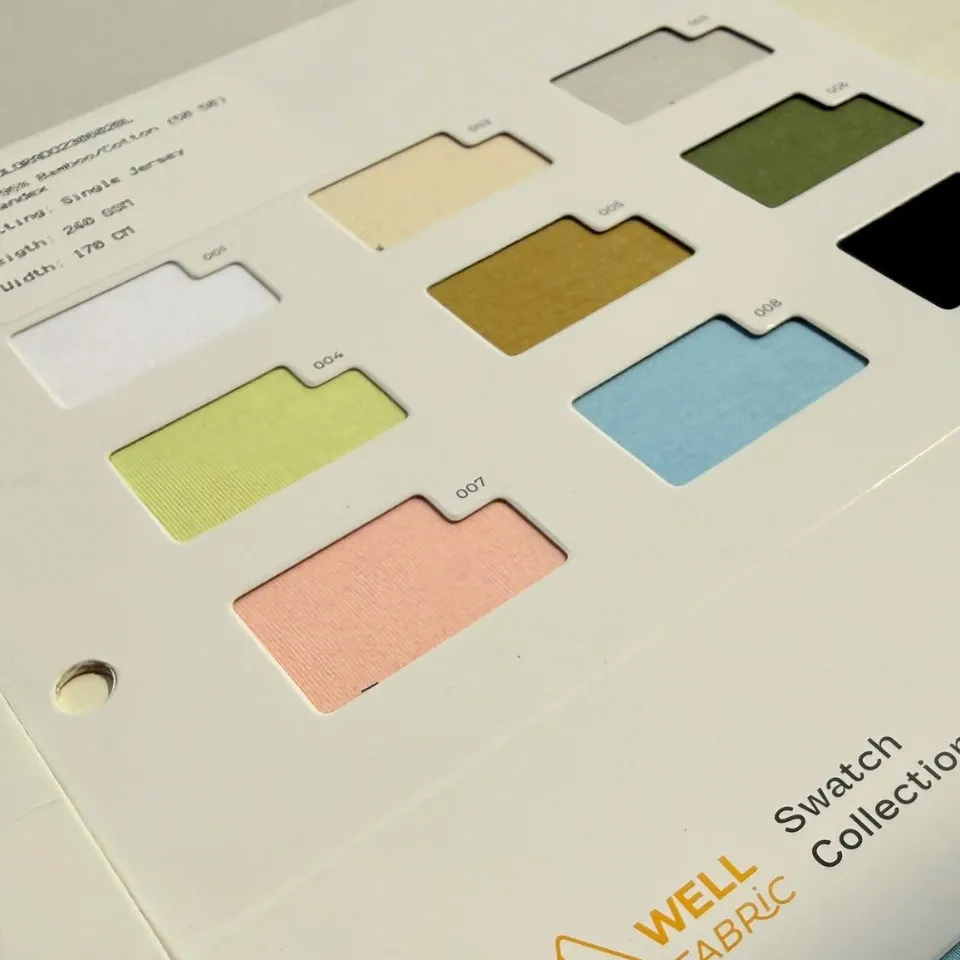
- “Made in Vietnam” Yarn & Fabric: Through our integrated ecosystem of Greenyarn (R&D) and W.ELL Fabric (Production), we produce eco-fabrics domestically. This ensures our clients automatically satisfy the Rules of Origin without bureaucratic hurdles.
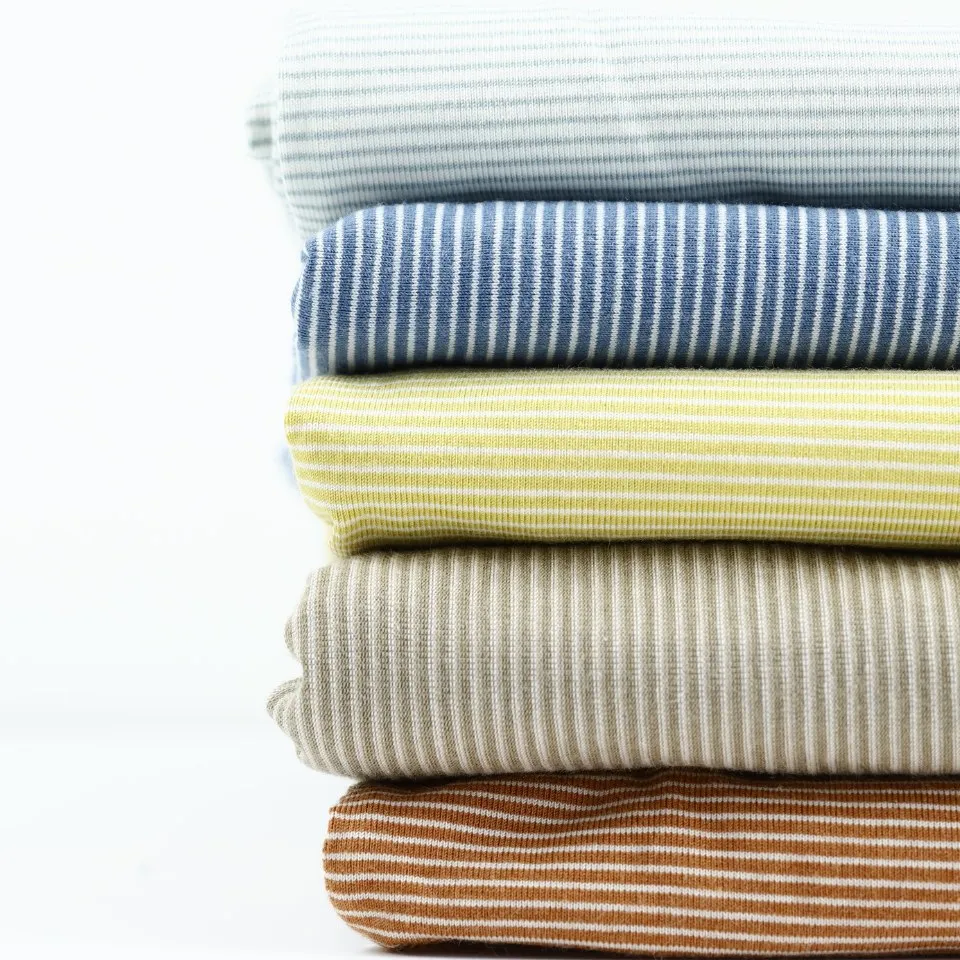
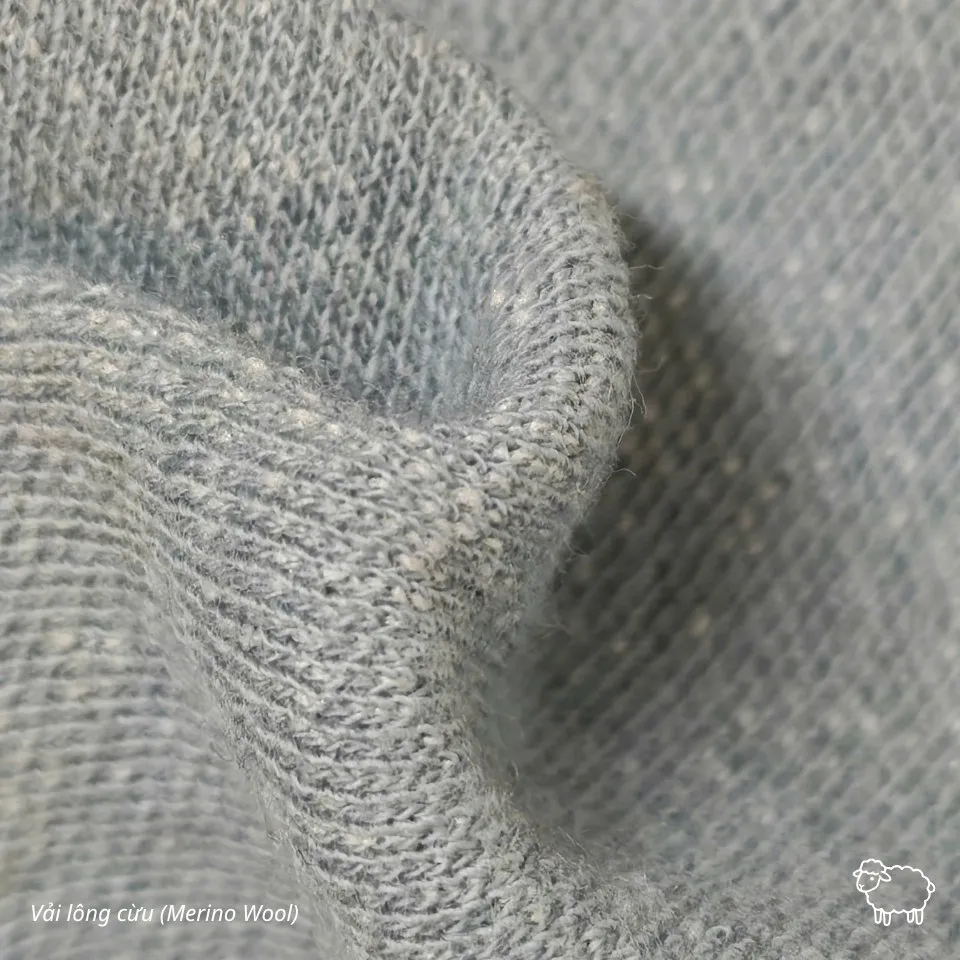
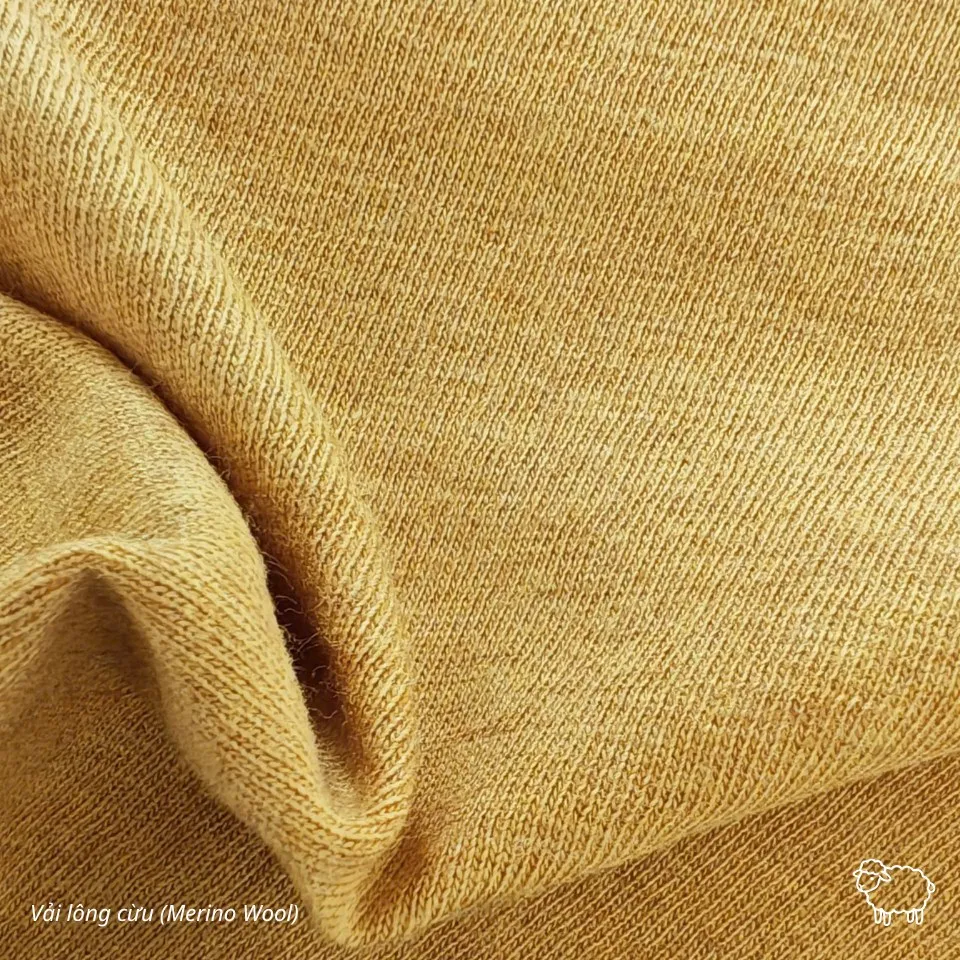
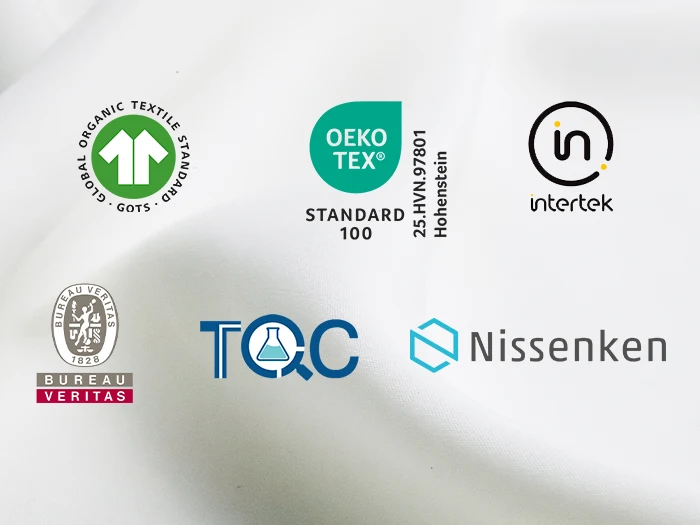
- Natural-Based Materials: Our collections—including Ananas (Pineapple fiber), Bamboo Biocell, Organic Cotton, Coffee fiber, Wool, Silk, and Recycled fabrics—not only meet EVFTA origin rules but also satisfy the most rigorous EU green certifications: OEKO-TEX® 100, GOTS, and GRS.

4. Meeting EPR Regulations & EU Green standards
Under the “EU Strategy for Sustainable and Circular Textiles” toward 2030, Extended Producer Responsibility (EPR) has become the “new rule of the game.” EPR requires brands to take responsibility for the entire lifecycle of a product—from design to collection and recycling.
Bao Lan Textiles provides solutions that empower brands to:
- Utilize Circular Materials: Our flagship fabrics, such as Ananas fiber and Bamboo Biocell, offer high biodegradability and recyclability. This helps EU partners significantly reduce environmental disposal costs under EPR mandates.
- Ensure Supply Chain Traceability: With our closed-loop system from Greenyarn (Yarn R&D) to W.ELL Fabric (Fabric supply), every yard of fabric comes with transparent Origin Certification.
- Establish a Green Manufacturing Base: Localizing yarn and fabric production in Vietnam minimizes the Carbon Footprint of transportation, providing essential data for the ESG (Environmental, Social, and Governance) reports of international fashion conglomerates.
5. REACH technical barriers & Safety standards for strict markets (Germany & Nordics)
While the EVFTA provides a “tariff gateway,” technical barriers act as a “filter” for product safety. In key markets like Germany and the Nordic region, chemical and safety standards are top priorities.
- Mastering REACH & RSL: The most stringent EU textile export regulations involve the REACH (Registration, Evaluation, Authorisation, and Restriction of Chemicals) list. Bao Lan Textiles strictly monitors everything from dyeing to finishing, ensuring fabrics are free from harmful Azo dyes, Formaldehyde, and heavy metals. Our OEKO-TEX® 100 certification ensures your products clear customs smoothly without fear of toxicological testing at the border.
- Specific Standards for Germany: Germany enforces stricter limits on disperse dyes and formaldehyde content. W.ELL Fabric implements rigorous chemical management to meet the specific Restricted Substances Lists (RSL) of individual brands.
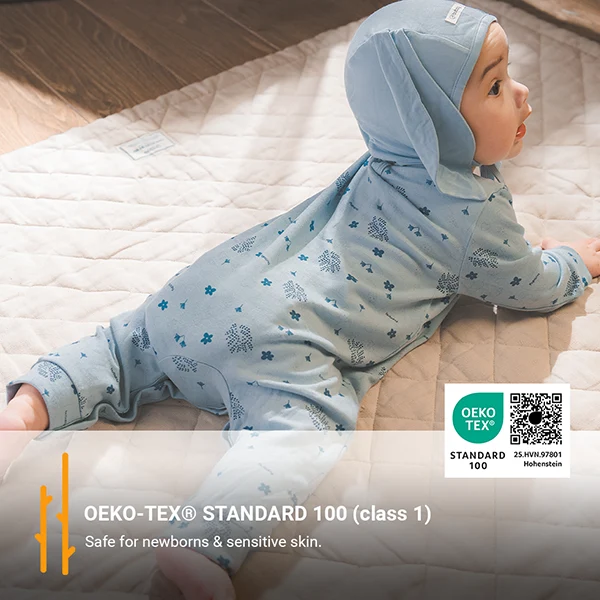
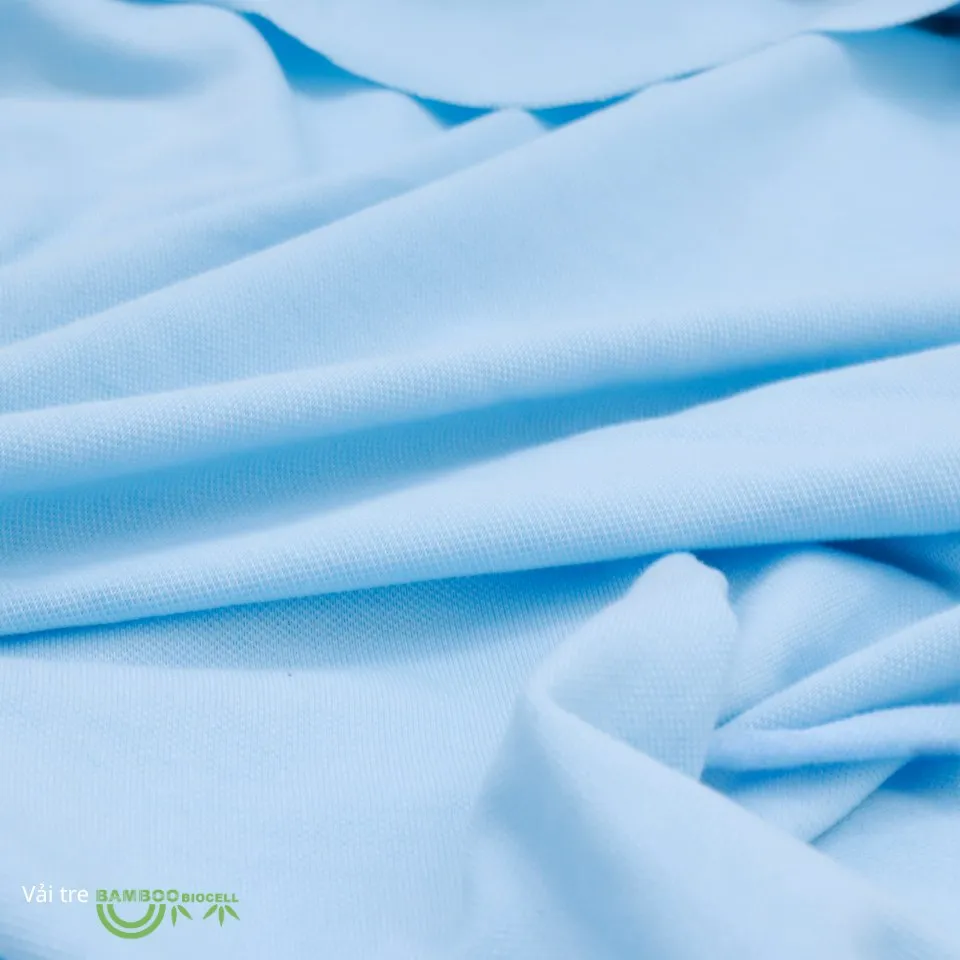
- Absolute Safety for Childrenswear: Nordic markets prioritize “pure” materials. Our Bamboo Biocell collection—with its natural antibacterial properties and ultra-soft texture—is the optimal choice for babywear and intimate apparel, earning the trust of the world’s most discerning consumers.

6. Conclusion
Mastering the Rules of Origin in the EVFTA and staying updated on EU textile export regulations is the fastest route for businesses to break through.
Bao Lan Textiles is proud to be your trusted partner, providing “Made in Vietnam” eco-fabric solutions that help brands not only bypass tariff barriers but also win the hearts of European consumers through sustainable values.
>>> Read more: 0% Duty Strategy: Exporting Fashion and Fabrics to the EU & UK
7. Frequently asked questions (FAQs)
Q1: When was the EVFTA signed, and how many members are involved?
The EVFTA was signed on June 30, 2019, and took effect on August 1, 2020. It is an agreement between Vietnam and the European Union (EU), which consists of 27 member states.
Q2: How do the Rules of Origin in EVFTA differ from the CPTPP for textiles?
- EVFTA: Uses the “Fabric-Forward” rule—more flexible as it allows importing yarn from outside the bloc, provided the weaving/knitting and garment assembly happen in Vietnam.
- CPTPP: Uses the “Yarn-Forward” rule—stricter, requiring the spinning process to also occur within the member countries.
Q3: What is the impact of EVFTA on Vietnam’s textile industry between 2025 and 2027?
This is the “Golden Era” as most core textile categories reached 0% duty (since August 2025). The agreement drives the industry from CMT to domestic material autonomy while pushing for green production standards to maintain EU market share.
Q4: How can we satisfy EVFTA origin rules if we still import raw fibers?
Under EVFTA, you can import raw fibers from anywhere. To qualify, you must ensure the two subsequent stages—fabric production and garment assembly—take place in Vietnam (Double Transformation). Using Bao Lan Textiles fabrics ensures you automatically meet this requirement.
Q5: How does the Free Trade Agreement between Vietnam and the EU affect product pricing?
Reducing tariffs from 12% to 0% makes Vietnamese textile products significantly more competitive than those from non-FTA countries. Additionally, utilizing local fabric sources optimizes logistics costs and lead times.
Q6: What should businesses note regarding the REX system (Registered Exporter)?
The REX system applies to shipments valued under €6,000. Exporters must register a REX number and take full responsibility for the accuracy of the origin statement on commercial documents. Note: Any errors in self-certification can lead to severe audits and retroactive tax recovery by EU customs.
References:
- https://moit.gov.vn/tin-tuc/thi-truong-nuoc-ngoai/nganh-det-may-dap-ung-tieu-chuan-xanh-toi-uu-hoa-loi-the-cua-evfta.html
- https://trungtamwto.vn/thi-truong-duc/19571-cac-yeu-cau-cua-eu-doi-voi-san-pham-det-may-nhap-khau


