
News
NEXT@Fashion InStyle 2026: Breakthrough Innovations in Next-Gen Fashion Materials
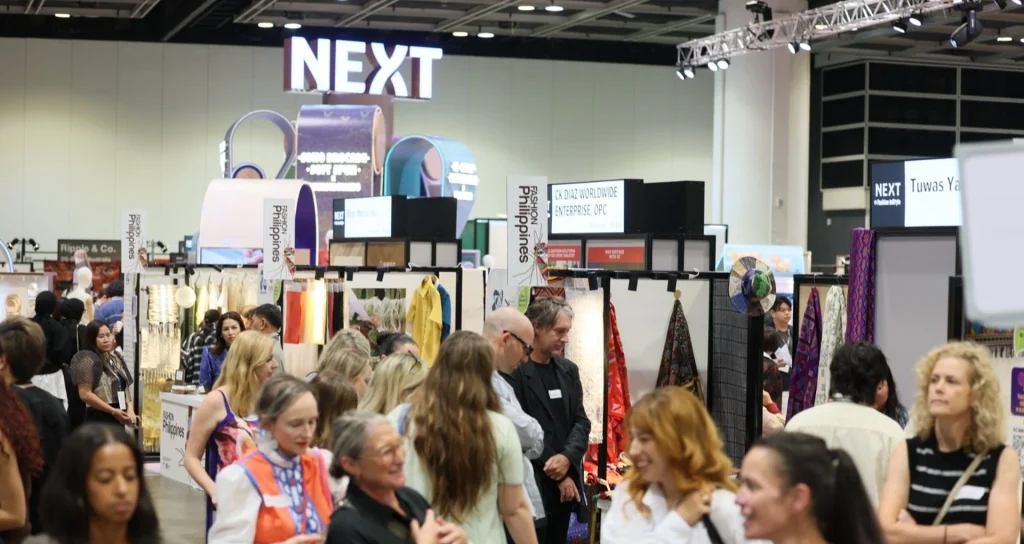
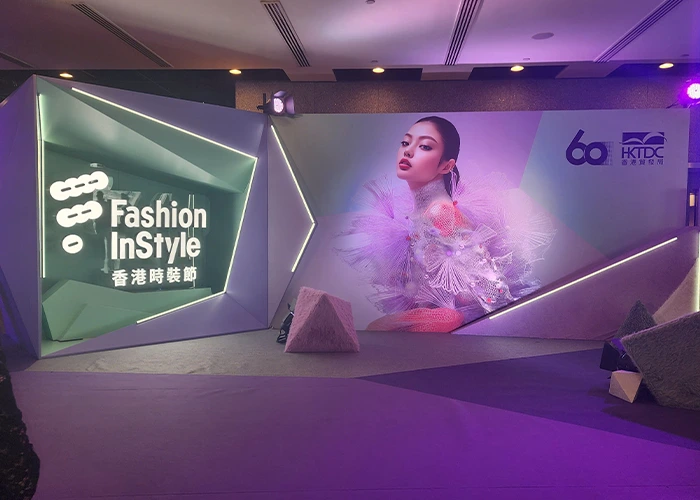
Fashion InStyle 2026 in Hong Kong gathered hundreds of exhibitors from Hong Kong, China, Japan, South Korea, the Philippines, Europe, and ASEAN countries, alongside approximately 12,000 professional buyers, offering a clear snapshot of the next generation of fashion materials shaping the global industry.
From bio-based fabrics, functional textiles, and advanced weaving technologies to AI and digital textile solutions, the exhibition demonstrated that fashion today is no longer driven solely by aesthetics. Instead, the industry is rapidly shifting toward high-performance materials with real-world functionality and the ability to adapt to evolving consumer lifestyles and future market demands.
1. NEXT@Fashion InStyle 2026 – A Hub for Next-Generation Fashion Materials
At Fashion InStyle 2026, the NEXT@Fashion InStyle zone once again became one of the exhibition’s focal points, bringing together around 60 textile innovation and material development companies from across the globe, along with more than 20 featured suppliers from the Philippines supported by PTIC and CITEM. The space highlighted emerging trends in textile innovation, sustainable sourcing, fashion technology, bio-based materials, functional fabrics, and circular textile solutions for the future of fashion.
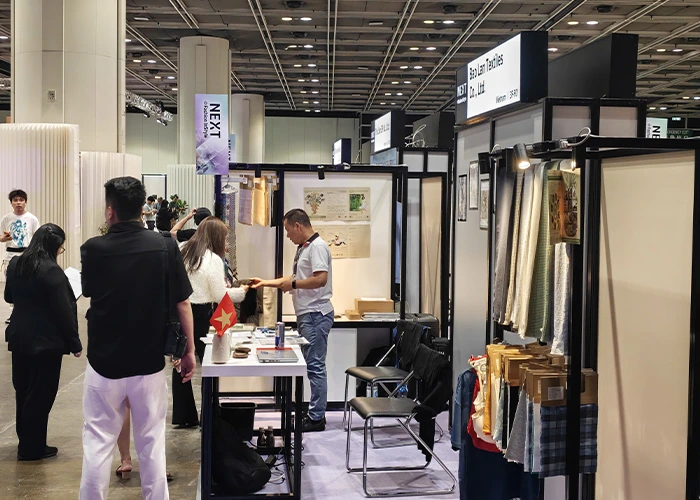
During this edition, Bao Lan Textiles was honoured to be invited by the Hong Kong Trade Development Council (HKTDC) to showcase at Booth 3F-F01 — strategically positioned at the main entrance area of NEXT@Fashion InStyle 2026.
At the exhibition, Bao Lan introduced a range of developed-and-made-in-Vietnam materials including Bamboo Lãnh, Bamboo Silk, and Ananas pineapple fabrics, alongside garment manufacturing solutions through its Vietnamese apparel partners to support full-package product development.
With support from trade agreements such as EVFTA, CPTPP, and UKVFTA, these Vietnam-made eco textiles also hold strong export potential through preferential tariff advantages in markets including Europe, the UK, Canada, and other major global destinations.
After directly attending the exhibition, Bao Lan Textiles observed a clear shift in the mindset of the international fashion industry: yarns and fabrics are no longer viewed merely as supporting elements for design, but are increasingly becoming the core factor that defines storytelling, wearability, and the overall value of fashion products.
2. Biodegradable Materials & “Motion Effects” Captivating Contemporary Designers
2.1. ALGAFILA Seaweed Fiber & NANOFLEX – Toki Wong & Lusanna Xu
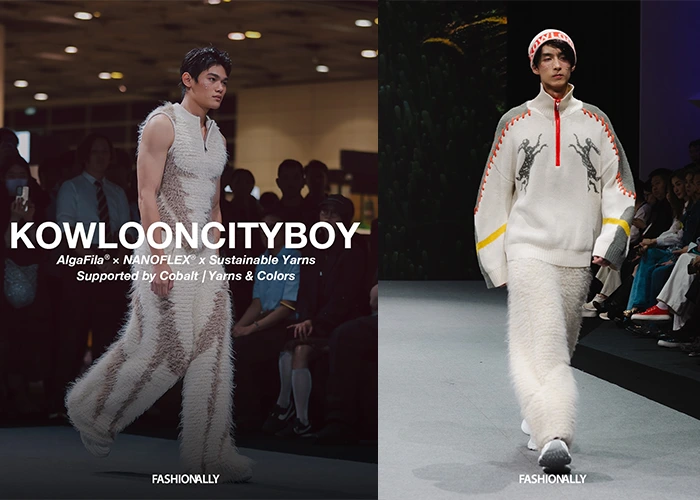
One of the most talked-about collaborations at the exhibition was the partnership between designers Toki Wong, Lusanna Xu, and a next-generation biomaterial development team.
At the center of the project was ALGAFILA — a seaweed-derived fiber featuring biodegradability, thermal insulation, and lightweight performance. The material was used as an alternative padding solution to replace traditional insulating materials, creating voluminous silhouettes with enhanced functionality while maintaining wearing comfort.
Alongside ALGAFILA was NANOFLEX — a highly elastic, breathable material capable of forming “muscle-structure” textures on knitwear surfaces. This opened new possibilities for body-contouring garments that still allow flexibility and freedom of movement.
The project clearly reflected a growing shift within eco-fashion: sustainable materials today are no longer valued only for being “natural,” but must also deliver functionality, lightweight comfort, and everyday wearability.
2.2. Tencel Denim & Antibacterial Knitwear – Jason Ying
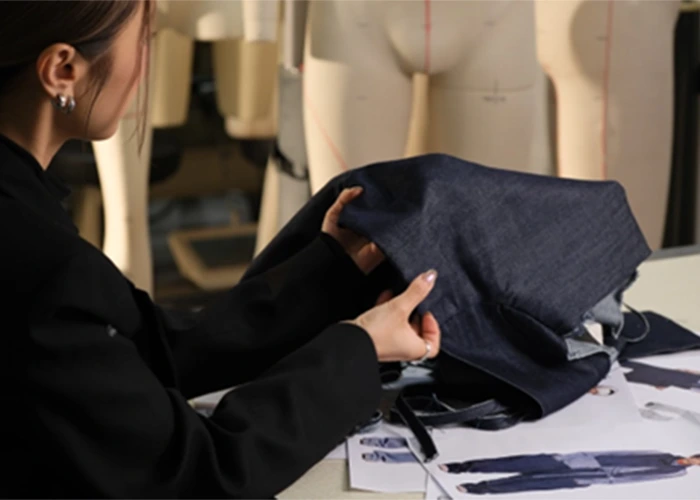
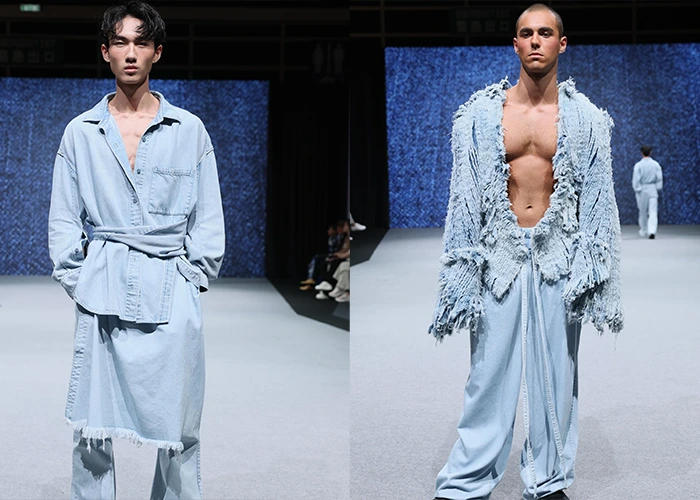
Designer Jason Ying introduced a new generation of denim focused on lightweight construction, softness, and the growing “comfort luxury” movement.
One highlight was COTTON SENSE — a Tencel denim developed by ADVANCE DENIM. While maintaining the raw texture and matte appearance associated with traditional denim, the fabric offers significantly better softness, drape, and breathability. This allows multi-layer styling without creating excessive weight or heat retention.
Jason Ying utilized the fabric’s natural drape to develop garments featuring open structures, adjustable ties, and adaptable silhouettes inspired by how nomadic communities adjust clothing according to changing temperatures.
Complementing the denim was WANDA — an eco-knitwear material developed by YARNS & COLORS with natural antibacterial, deodorizing, and breathable properties. The fabric was applied to inner garments, scarves, and knit accessories designed for direct skin contact to improve daily comfort and hygiene.
2.3. PONDER.ER – Tech Fabrics & Dynamic Motion Effects

At NEXT@Fashion InStyle 2026, PONDER.ER attracted major attention by transforming technical fabrics into what could be described as “moving fashion” through its Flowing Architecture concept.
Rather than relying solely on garment construction, the brand explored fabrics capable of changing colour and texture when stretched or moved.
The highlight was a technological fabric with dynamic visual effects. In its normal state, the surface displays a single colour layer. However, when stretched or activated by body movement, a hidden second layer of patterns and colours gradually appears through crack-like surface textures.
Through surface treatment techniques combined with digital printing, PONDER.ER created textiles that visually “move” together with the wearer instead of remaining static.
2.4. Song Brocade & Tencel Denim – TIGERSTROLLING
One of the most striking heritage-meets-modernity projects came from TIGERSTROLLING through the combination of traditional Song Brocade and next-generation Tencel denim.
Song Brocade is known for its intricate weaving structure, dimensional surfaces, metallic sheen, and symbolic Eastern motifs. Instead of preserving its traditional ceremonial identity, TIGERSTROLLING reinterpreted the material through contemporary streetwear and subculture aesthetics.
To balance the formality of the brocade, the designer paired it with SOFT SPUN denim developed from Tencel by ADVANCE DENIM. The fabric offers a softer hand feel, lighter weight, and more fluid drape while maintaining denim’s recognizable washed texture.
The combination of:
- traditional Song Brocade
- softened Tencel denim
- Western tailoring structures
- contemporary streetwear aesthetics
resulted in wearable bomber jackets, jumpsuits, and workwear-inspired silhouettes designed for modern lifestyles.
2.5. MYLEA Mushroom Leather & H2 Functional Material – WILSONKAKI

Another highly practical innovation project at NEXT@Fashion InStyle 2026 came from WILSONKAKI and its collaboration with next-generation biomaterials and functional textiles.
The standout material was MYLEA — a mushroom mycelium leather developed by MYCL using fungal networks cultivated from agricultural and forestry waste. The material is naturally biodegradable and produces unique colour-shifting effects depending on light and viewing angle.
Because each MYLEA sheet is individually cultivated and limited in size, WILSON transformed them into “puzzle structures,” combining multiple smaller panels into larger garment constructions. This not only solved size limitations but also created geometric textures and handcrafted visual depth.
Alongside MYLEA was H2 — an ultra-lightweight functional material developed by CHARGEURS PCC with water-resistant and windproof properties while maintaining flexibility and comfort. WILSON combined H2 with natural yarns and knitwear from TEXWINCA to create garments balancing softness with urban functionality.
3. Other Emerging Materials & Dyeing Innovations
3.1. Salmon Skin Leather
Salmon leather attracted strong attention thanks to its soft texture, flexibility, natural sheen, and interwoven fiber structure, which offers higher durability than conventional cowhide. The distinctive stripe running along the center of each skin also creates a unique visual identity.
The material is currently being applied in:
- handbags
- wallets
- belts
- footwear
- jackets
- watch straps
- luxury fashion accessories
3.2. Bamboo Lãnh & Bamboo Silk – Bao Lan Textiles, Vietnam


Bamboo Lãnh combines bamboo fibers with traditional Vietnamese Lãnh fabric from Tân Châu, An Giang, creating a soft, fluid, breathable surface while preserving the visual depth associated with artisanal textiles. The material is developed alongside natural dyeing applications, resulting in warm, emotional colour palettes aligned with modern eco-conscious fashion trends.
Bamboo Silk blends bamboo fibers with premium silk to create lightweight, breathable fabrics with elegant drape and luxurious texture.
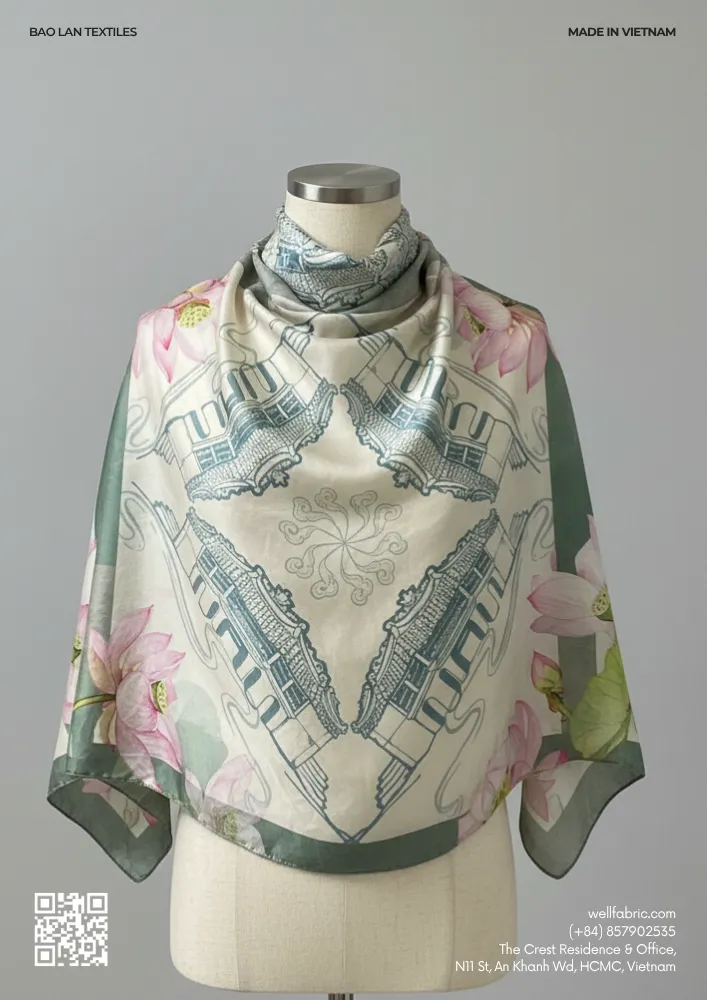
On this material base, Bao Lan Textiles develops digital-printed patterns inspired by iconic Vietnamese cultural landmarks for scarves and fashion accessories. Visuals including Hội An’s Japanese Bridge, Hanoi’s One Pillar Pagoda, and Bến Thành Market are reinterpreted through contemporary design language, helping bring Vietnamese materials and cultural storytelling closer to the international fashion market.

3.3. Natural Algae-Based Dyeing Solutions
In addition to biomaterials and advanced textiles, this year’s exhibition also featured a growing number of algae-based natural dye solutions and organic tie-dye techniques developed by international R&D teams.
Algae-derived dyes help reduce dependence on petroleum-based colourants while maintaining the biodegradability of fabrics after production. Beyond their unique natural colour palettes, these dyeing technologies also contribute to lowering environmental impact, improving recyclability, and opening new directions for more ecosystem-conscious textile manufacturing.
3.4. Pineapple Fabric
Pineapple leaf fiber has become one of the most promising bio-based textile developments showcased at recent international textile exhibitions. Instead of discarding pineapple leaves after harvest, the fibers are extracted and transformed into yarns for fashion and interior applications.
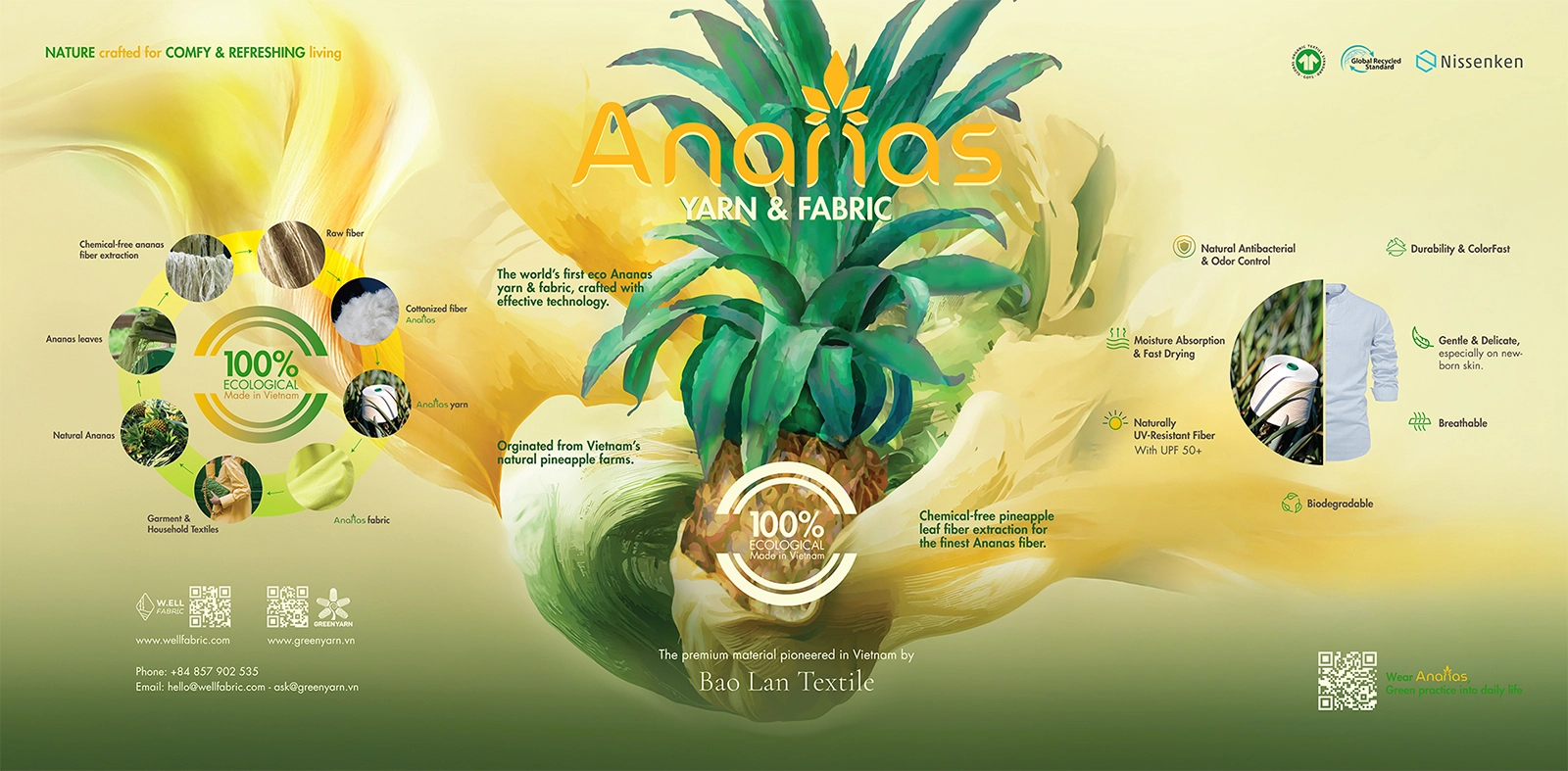
In Vietnam, one notable development is the Ananas (Pineapple fabric) collection by Bao Lan Textiles. The material is extracted from natural pineapple leaves without bleaching chemicals and is considered the first eco pineapple textile material of Vietnamese origin to be commercially produced at scale.
Ananas has been certified by Nissenken and VTRSI for:
- natural deodorizing performance
- resistance against bacteria and odor-causing fungi
- natural UV protection up to UPF 50++
- durability and elasticity
The material can also be blended with cotton, bamboo, or polyester to expand its applications across modern fashion products.

>>> Read more:
- The State of Fashion 2026: 9 Themes When the Rules Change
- ANANAS Yarn Goes EU in Medical Applications


